13 Jul 2026
Two Major Bids Signal Changing Dynamics for Las Vegas Strip Operators

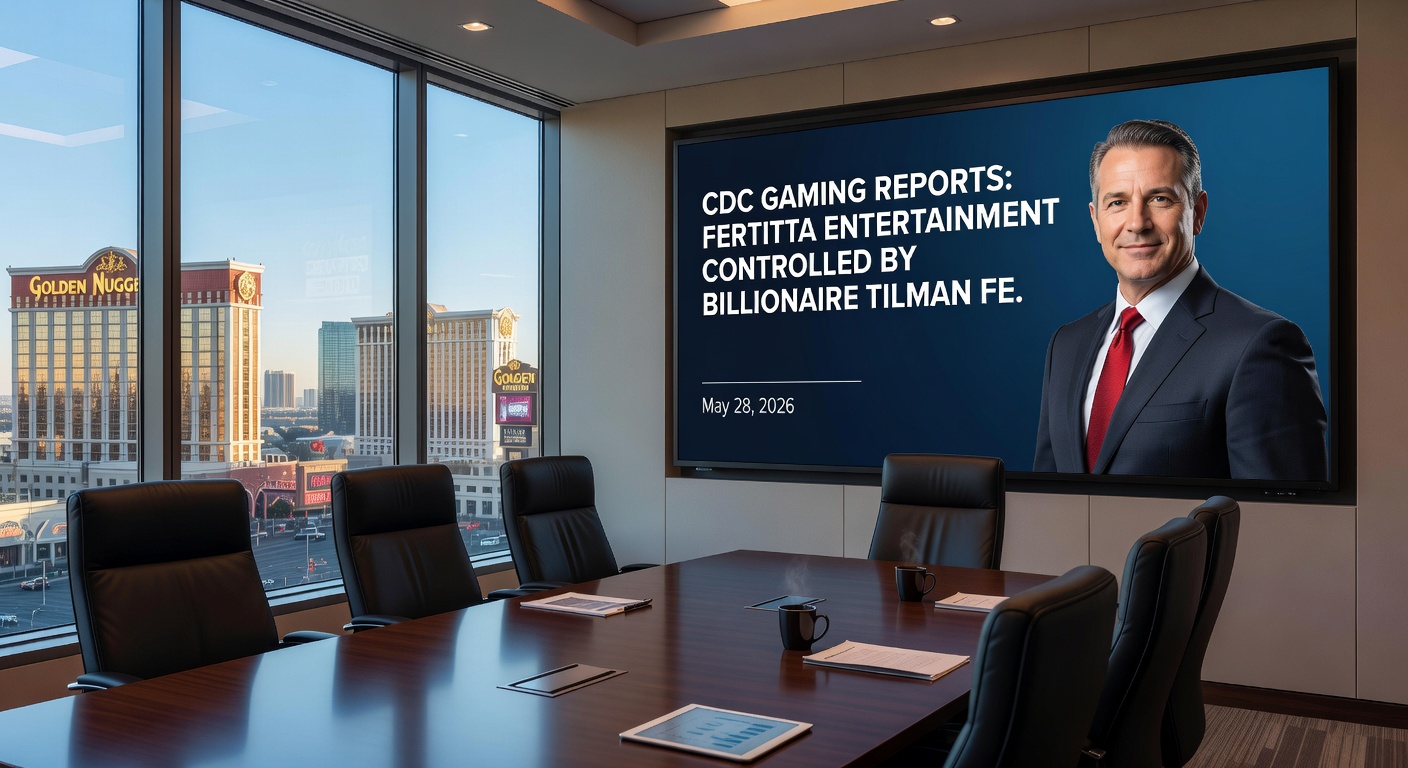
Billionaire Tilman Fertitta submitted a $17.6 billion offer to acquire Caesars Entertainment and take the company private, an action that positioned a longtime casino operator at the center of potential ownership changes along the Las Vegas Strip. Less than one week later, media mogul Barry Diller’s People Inc. announced a larger commitment tied to Las Vegas properties, and these sequential developments drew attention from industry observers tracking consolidation patterns among major gaming companies.
Background on the Fertitta Proposal
Fertitta, who built his reputation through ownership of Golden Nugget properties and other hospitality assets, structured the bid as a full privatization move that would remove Caesars from public markets. Company filings and statements released around the offer outlined terms that included existing debt assumptions along with equity commitments, and regulatory review processes under the Nevada Gaming Control Board began shortly after the announcement. People familiar with prior transactions noted that Fertitta Entertainment has pursued similar vertical integration strategies in other markets, combining casino operations with food, beverage, and entertainment holdings.
People Inc. Follows With Expanded Commitment
Within days, People Inc. revealed its own investment structure focused on Las Vegas assets, surpassing the scale of the earlier bid in total valuation. Diller’s media background through IAC and related entities provided context for the move, as the company sought to diversify into physical entertainment destinations amid shifting consumer patterns. Reports indicated that the People Inc. proposal involved partnerships with existing Strip operators and targeted redevelopment elements, prompting analysts to examine how media and gaming sectors might overlap in future venue designs.
Context of Strip Operator Shifts
These two announcements arrived against a backdrop of evolving ownership structures on the Las Vegas Strip, where several legacy companies have faced pressure from institutional investors and private equity groups. Data from the Nevada Gaming Control Board shows that gross gaming revenue figures for Strip properties have fluctuated with tourism recovery patterns, and observers note that privatization efforts can alter capital allocation decisions by removing quarterly earnings pressures. The proximity of the Fertitta and People Inc. moves highlighted competitive positioning, as both entities signaled willingness to commit substantial capital during a period when operators evaluate expansion versus operational streamlining.
Market participants have tracked similar transactions in prior cycles, including acquisitions that consolidated multiple properties under single ownership umbrellas. The current sequence suggests that large-scale private capital continues to view Las Vegas real estate and gaming licenses as durable assets, even as operators adjust to post-pandemic visitor demographics and competition from regional markets. Regulatory timelines for both proposals extend into subsequent quarters, with approvals requiring review of financial fitness and compliance histories.
Industry Reactions and Timeline Considerations
Executives at competing Strip resorts declined direct comment on the bids, yet filings with the Securities and Exchange Commission referenced ongoing strategic reviews at several public companies. Trade publications reported that July 2026 remains a reference point for certain infrastructure projects and convention bookings that could influence long-term valuations tied to these transactions. The Nevada Resort Association has published aggregate data showing employment and visitation metrics that provide background context for investment decisions of this magnitude.
People monitoring the situation point to the compressed timeframe between the two announcements as evidence of heightened activity, while legal teams prepare documentation for gaming commission hearings scheduled later in the year. External financing sources, including bank syndicates and sovereign wealth funds, have appeared in preliminary term sheets associated with both proposals.
Regulatory and Market Framework
Nevada statutes require detailed background investigations for any change in control of licensed gaming entities, and the scale of these bids triggers multi-agency coordination involving the Nevada Gaming Commission alongside local authorities. Historical records show that similar privatization efforts have taken between nine and eighteen months to reach closure, depending on the complexity of debt restructuring and partner agreements. Industry reports from the UNLV International Gaming Institute track ownership concentration trends and offer longitudinal data that places the current bids within broader consolidation cycles.
Market capitalization figures for Caesars prior to the offer reflected public trading levels that the $17.6 billion proposal exceeded by a measurable premium. People Inc. structured its commitment through a combination of direct equity and joint venture vehicles, aligning with patterns observed in prior media sector entries into hospitality.
Conclusion
The Fertitta offer followed by the People Inc. announcement established a compressed period of high-value activity centered on Las Vegas Strip assets. Both developments remain subject to regulatory outcomes and financing finalization, while operators across the market continue to assess positioning for the remainder of 2026 and beyond. Documentation released to date provides the primary factual basis for understanding the scale and sequencing of these moves.