26 Aug 2026
Tax Policy Variations Drive Escalation Patterns in Mobile Gaming Reward Systems
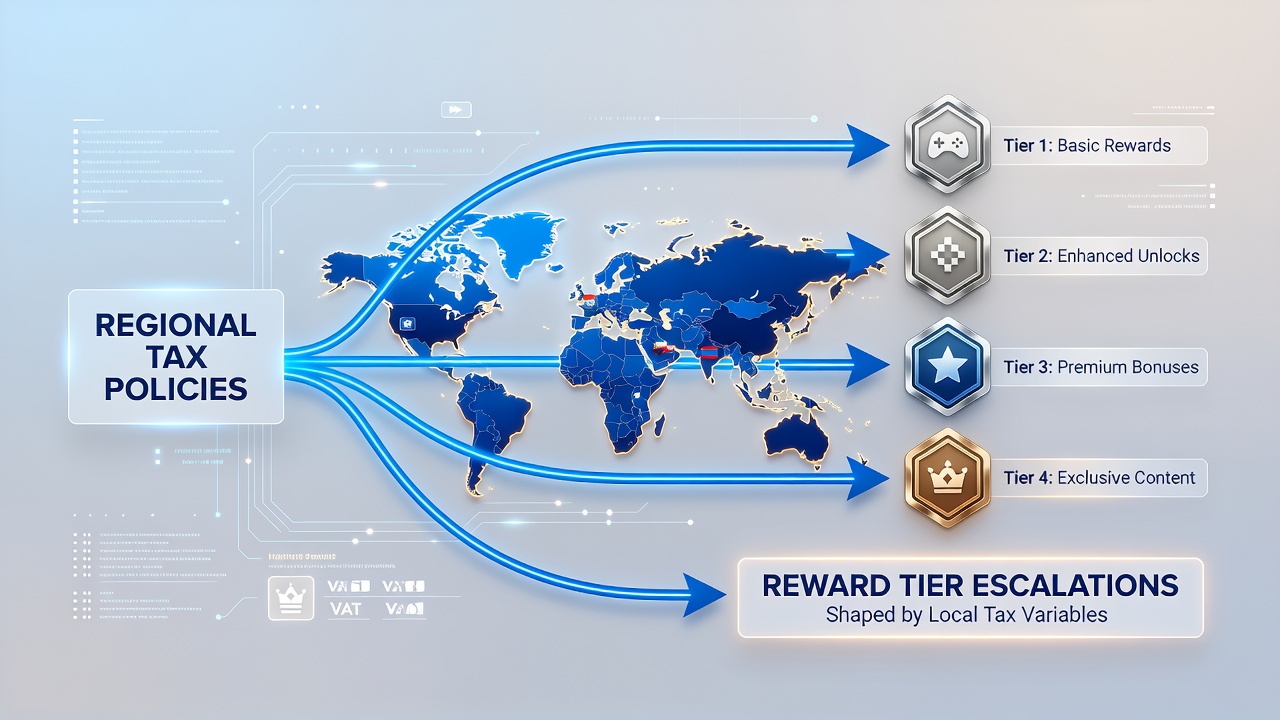
Regional tax frameworks continue to reshape how developers structure tiered rewards inside portable gaming applications, with different jurisdictions applying distinct rates and rules that directly affect escalation thresholds and bonus availability. Observers note that companies operating across multiple markets adjust their loyalty mechanics in response to these fiscal demands, since higher tax burdens on gross gaming revenue often prompt tighter controls on reward distribution to maintain profitability margins.
North American Approaches to Gaming Taxation
States across the United States apply varying tax rates on mobile gaming revenue, and these differences lead operators to calibrate reward tier progressions accordingly. In markets where state levies reach higher percentages of adjusted gross revenue, developers frequently extend the point requirements needed to unlock advanced tiers, while regions with lower rates allow faster escalation and more generous perk releases. Data from regulatory filings shows that operators active in multiple states maintain separate reward algorithms that respond to each jurisdiction's specific tax schedule, ensuring compliance without uniform global structures.
Canadian provinces follow a similar pattern, with gaming commissions in Ontario and British Columbia imposing distinct contribution requirements that influence how apps distribute loyalty credits. Researchers have documented cases where cross-border users experience different reward velocities depending on their registered location, because tax obligations tied to the operator's licensing authority dictate the pace of tier advancement.
European and Asian Regulatory Influences
Within the European Union, member states maintain independent tax regimes for remote gaming, and these variations create distinct reward landscapes for users of handheld applications. Countries applying higher VAT and gambling duty combinations typically see slower tier escalations, as operators offset costs by increasing the activity thresholds required for premium rewards. Figures from industry reports indicate that apps licensed in lower-tax environments often feature accelerated progression systems, yet cross-border access rules require operators to apply the tax regime of the user's residence rather than the license location.
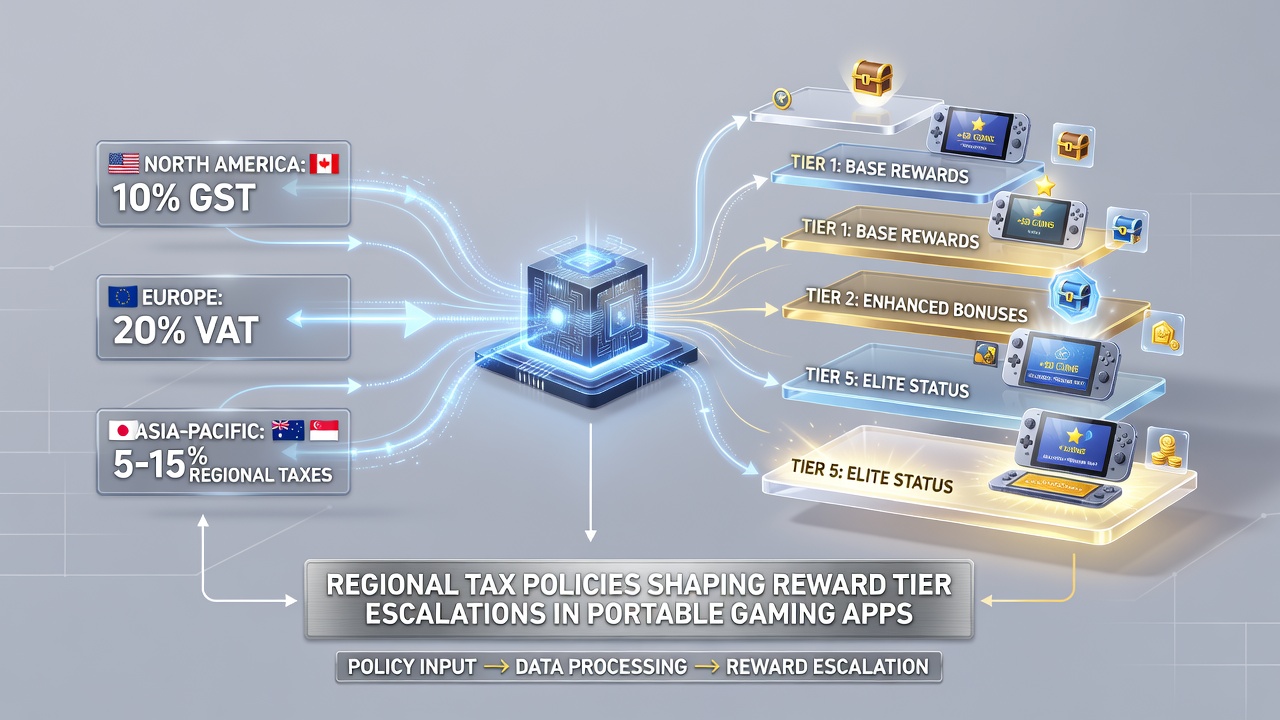
Asian markets present additional complexity, with jurisdictions such as Japan and Singapore implementing specialized frameworks for digital gaming platforms. Recent adjustments effective in August 2026 have prompted several operators to recalibrate their Asian reward tiers, extending the volume of play needed to reach higher levels in higher-tax zones while preserving more rapid advancement in markets with favorable fiscal treatment. According to the Australian Taxation Office guidelines on interactive gaming, operators must align reward structures with local duty calculations, which in turn shapes how quickly users can access escalated benefits.
Operational Adjustments by Developers
Developers respond to these regional pressures by deploying dynamic systems that detect user location and apply corresponding reward parameters. Those who have studied these implementations note that backend algorithms now incorporate real-time tax rate tables, automatically adjusting the points required for tier upgrades based on the applicable regulatory environment. This approach allows a single application to serve users across borders while remaining compliant with each market's fiscal rules.
Industry organizations such as the Gaming Standards Association have published technical briefs outlining best practices for integrating tax data into reward engines, emphasizing the need for precise segmentation to avoid mismatches between user activity and jurisdictional obligations. Evidence from platform audits reveals that these segmented systems reduce compliance risks while maintaining user engagement across diverse tax landscapes.
Conclusion
Regional tax policies continue to exert measurable influence over reward tier escalations in portable gaming apps, with operators adapting structures to align with local fiscal requirements in North America, Europe, and Asia. As regulatory environments evolve, developers maintain location-aware systems that balance compliance with user progression, ensuring reward mechanisms reflect the specific tax obligations of each jurisdiction served.