24 Jul 2026
Seasonal Promotional Cycles Driving Slot Volatility Adjustments in Cross-Platform Loyalty Ecosystems
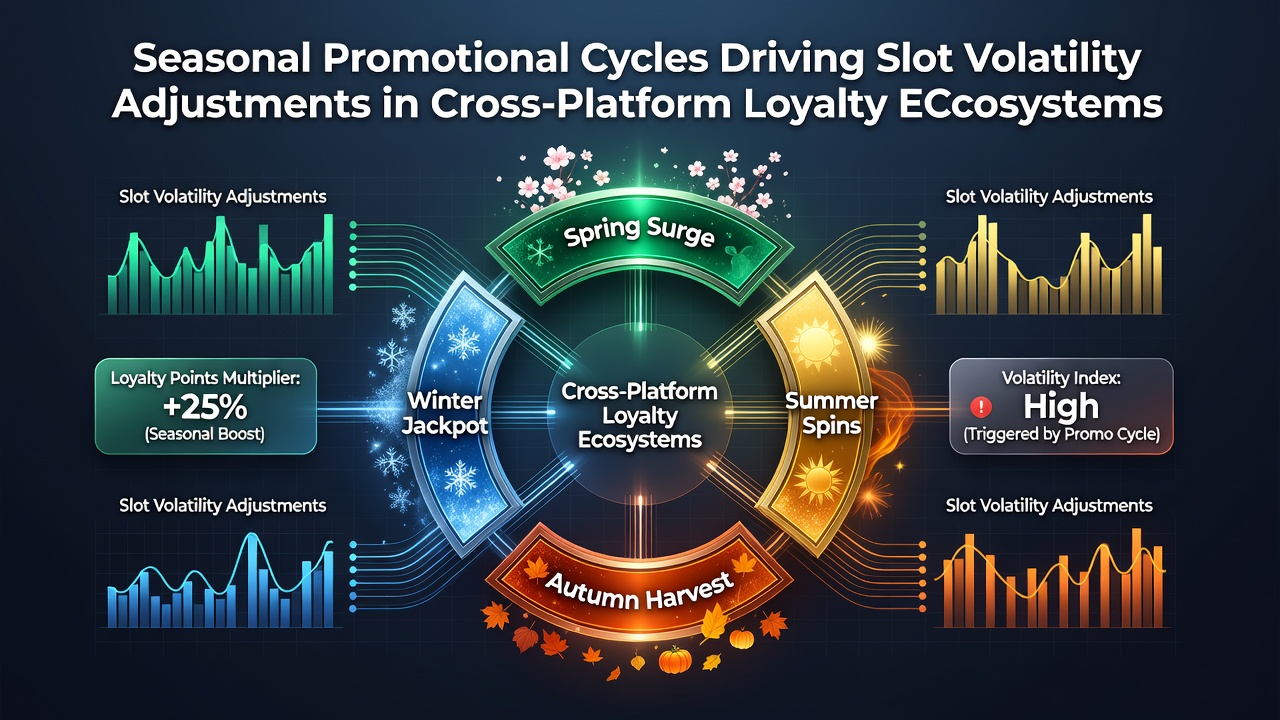
Operators coordinate seasonal promotional cycles with targeted adjustments to slot volatility parameters, and these changes integrate directly into cross-platform loyalty ecosystems that track player activity across mobile apps, desktop sites, and retail terminals. Data from the Nevada Gaming Control Board indicates that volatility settings shift during peak periods such as summer holidays and year-end events, while loyalty point multipliers and tiered reward escalations activate simultaneously to maintain engagement metrics.
Systems adjust volatility through backend algorithms that modify reel strip configurations and payout frequency tables, and these modifications align with calendar-driven campaigns that begin as early as April for summer activations. Cross-platform loyalty programs record session data in real time, then feed those inputs into centralized databases that trigger personalized volatility profiles for individual accounts based on historical play patterns and current tier status.
Mechanics of Volatility Adjustments During Peak Seasons
Developers implement volatility scaling by increasing or decreasing the hit frequency on high-value symbols, and this process occurs automatically when promotional flags activate within the loyalty management software. Research from the University of Nevada, Las Vegas gaming laboratory shows that average return-to-player percentages remain constant while the distribution of wins shifts toward more frequent smaller payouts during high-traffic promotional windows, which encourages continued play across connected devices.
Platform operators synchronize these adjustments with loyalty point accrual rates, so players in higher tiers experience different volatility curves than entry-level accounts during the same campaign. Integration occurs through application programming interfaces that connect slot servers with customer relationship management systems, allowing a single promotional trigger to update settings on both land-based machines and their digital counterparts.
Cross-Platform Loyalty Data Flows and Seasonal Triggers
Loyalty ecosystems aggregate transaction logs from multiple jurisdictions, and seasonal campaigns draw on this aggregated data to set regional volatility baselines that account for local player demographics. As July 2026 approaches, summer promotional schedules already incorporate elevated point bonuses tied to specific game themes, while backend systems prepare volatility reductions on progressive jackpot titles to balance increased wager volumes.
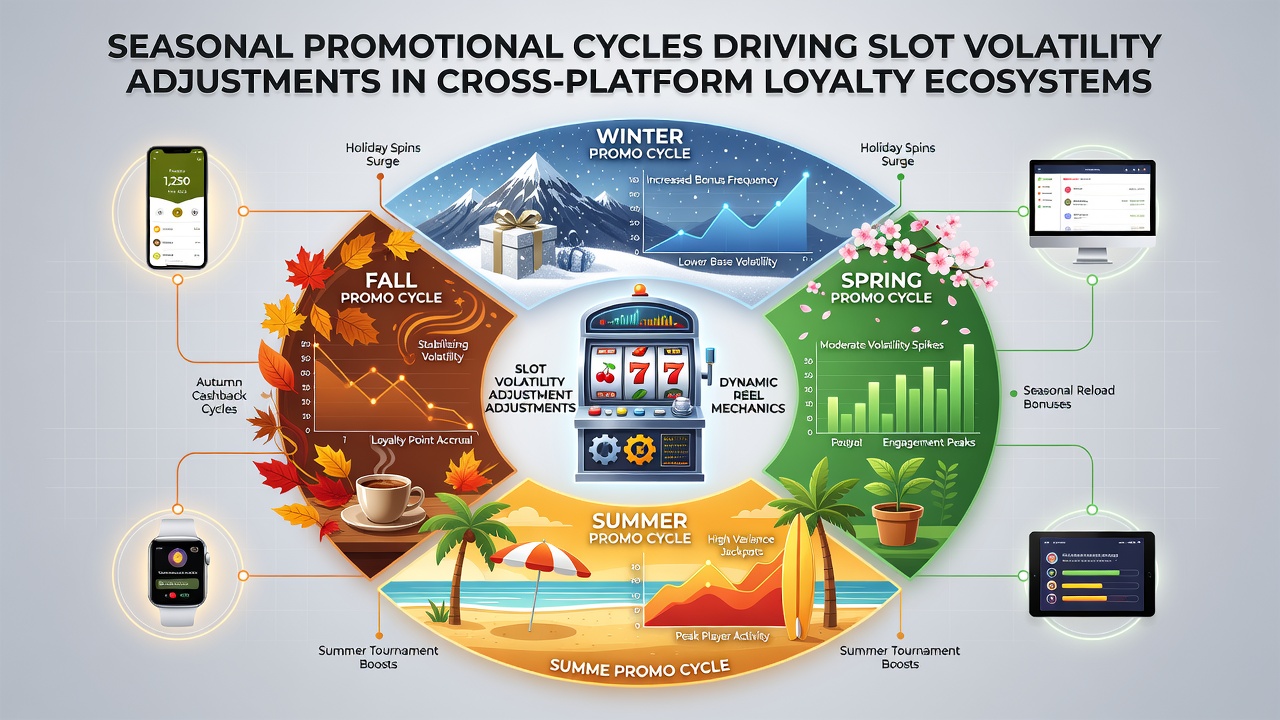
Analysts at the Australian Gambling Research Centre have documented how loyalty tiers influence the timing of volatility changes, with premium members receiving earlier access to lower-volatility configurations that extend play sessions. These configurations link directly to deposit verification protocols and reward unlock sequences, creating seamless transitions between platforms without requiring players to restart loyalty progress.
Integration with Regulatory Reporting Requirements
Regulatory frameworks in multiple regions require operators to document volatility modifications as part of responsible gaming submissions, and seasonal cycles must appear in advance filings submitted to oversight bodies. The Canadian Gaming Association compiles industry-wide reports that track how promotional volatility adjustments correlate with self-exclusion program participation rates, providing data that informs future policy refinements across provinces.
Systems maintain audit trails that capture every parameter change, including timestamps, affected game titles, and associated loyalty incentives, which allows regulators to verify compliance during routine inspections. Cross-platform architectures add complexity because adjustments must remain consistent whether a player accesses content through a mobile app or a desktop interface connected to the same loyalty account.
Implementation Patterns Observed in 2025-2026 Cycles
Operators have refined implementation timelines so that volatility adjustments activate 48 hours before promotional announcements reach players, and this lead time permits testing across all connected platforms. Loyalty ecosystems then apply dynamic multipliers that scale reward values according to the adjusted volatility level, creating feedback loops that sustain engagement through the campaign duration.
Figures released by state gaming commissions reveal that participation in cross-platform loyalty programs rises measurably during periods when volatility reductions coincide with bonus point events. These increases appear across demographic segments, though the magnitude varies by region and by the specific themes selected for seasonal promotions.
Conclusion
Seasonal promotional cycles continue to shape volatility management strategies within cross-platform loyalty ecosystems, and the technical infrastructure supporting these adjustments grows more sophisticated with each annual cycle. Data integration across devices enables precise alignment between promotional incentives and game parameters, while regulatory oversight ensures transparency in how operators apply these changes. As systems prepare for the summer period leading into July 2026, existing frameworks already demonstrate measurable impacts on play duration and reward distribution across connected platforms.