21 Aug 2026
Payment Pathways That Open Doors to Live Dealer Tables in Mobile Casino Applications
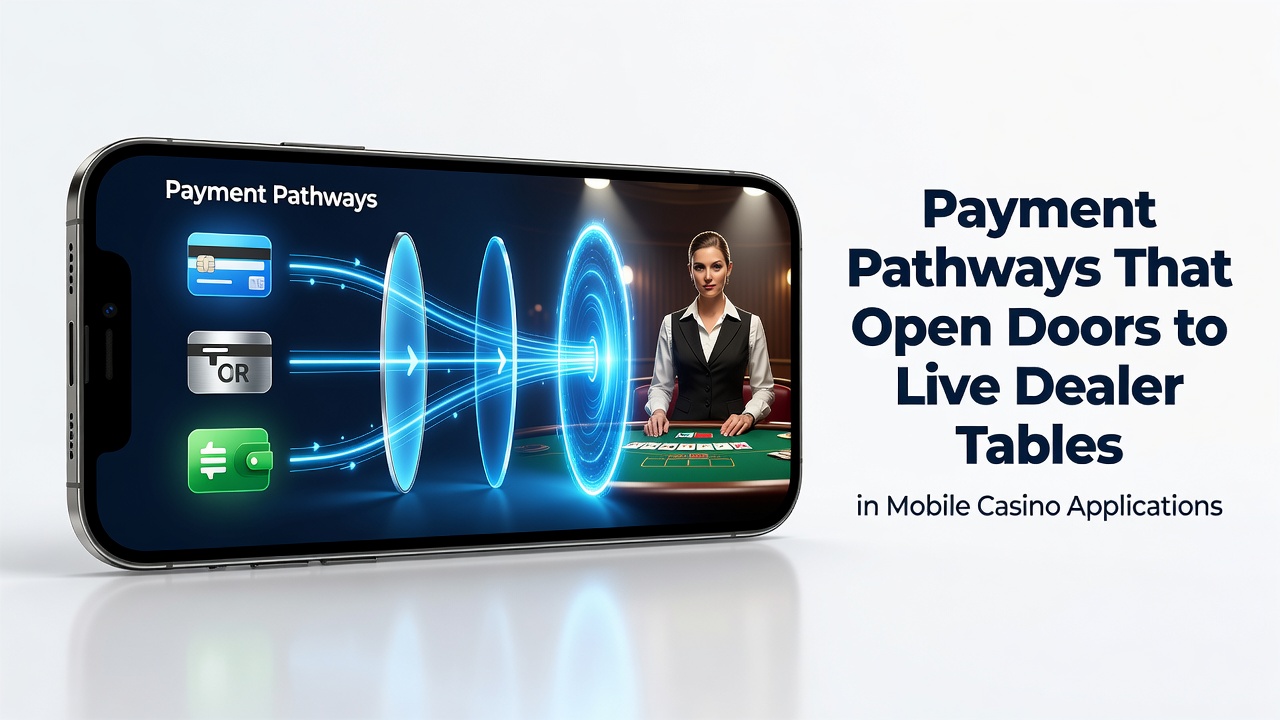
Payment systems in mobile casino applications connect directly to live dealer environments through integrated verification layers that confirm transactions before granting table access, and these pathways rely on standardized protocols that handle deposits from multiple sources while maintaining session continuity across devices. Operators deploy APIs that link banking networks, digital wallets, and card processors to game servers so funds appear in player accounts within seconds, allowing immediate entry into tables staffed by real dealers who operate from controlled studios.
Core Payment Methods and Their Technical Integration
Digital wallets such as PayPal and Apple Pay process deposits through tokenization that replaces card details with encrypted identifiers, which reduces exposure during transfers and supports instant funding for live sessions. Bank transfers via ACH or Faster Payments operate on batch or real-time rails depending on jurisdiction, yet mobile apps now embed these options with pre-verified account linkages that skip repeated manual entry. Credit and debit card gateways use 3D Secure authentication that adds a secondary confirmation step before releasing funds, and this process aligns with the same security standards required for live dealer streams to prevent interruptions once play begins.
Those who manage platform architecture note that payment gateways must synchronize with player account balances in sub-second intervals because live dealer tables enforce minimum bet thresholds that cannot be met without confirmed funds. Data from industry reports indicate that apps employing unified payment rails experience fewer session drops when users switch between deposit methods and table selection screens.
Verification Sequences That Enable Table Entry
Account verification combines identity checks with payment source validation so that once a deposit clears, the system automatically updates eligibility flags for live dealer categories. Mobile applications route these checks through third-party services that cross-reference government databases and banking records, and the entire sequence completes while the user remains in the app interface. Observers note that streamlined verification reduces the time between deposit and first live hand to under thirty seconds in optimized systems, which supports continuous engagement across multiple tables.
Regulatory Frameworks Across Regions
State-level oversight in the United States requires operators to maintain separate ledgers for player funds and to demonstrate that payment pathways comply with anti-money laundering rules before live dealer products receive approval. The New Jersey Division of Gaming Enforcement publishes annual compliance summaries that track transaction volumes and verification failure rates across licensed platforms. In Canada, provincial regulators apply similar standards that emphasize real-time monitoring of deposit patterns linked to live table activity, and these requirements shape how apps design their funding flows.
Research from the American Gaming Association shows that integrated payment and game systems now represent a growing share of mobile revenue, with live dealer segments dependent on frictionless deposit pathways to sustain player retention. Australian regulatory bodies have introduced guidelines that tie payment processor licensing to the ability to flag and block transactions destined for unauthorized live dealer content, creating an additional layer of technical coordination between financial institutions and gaming operators.
Technical Synchronization Between Deposits and Live Streams
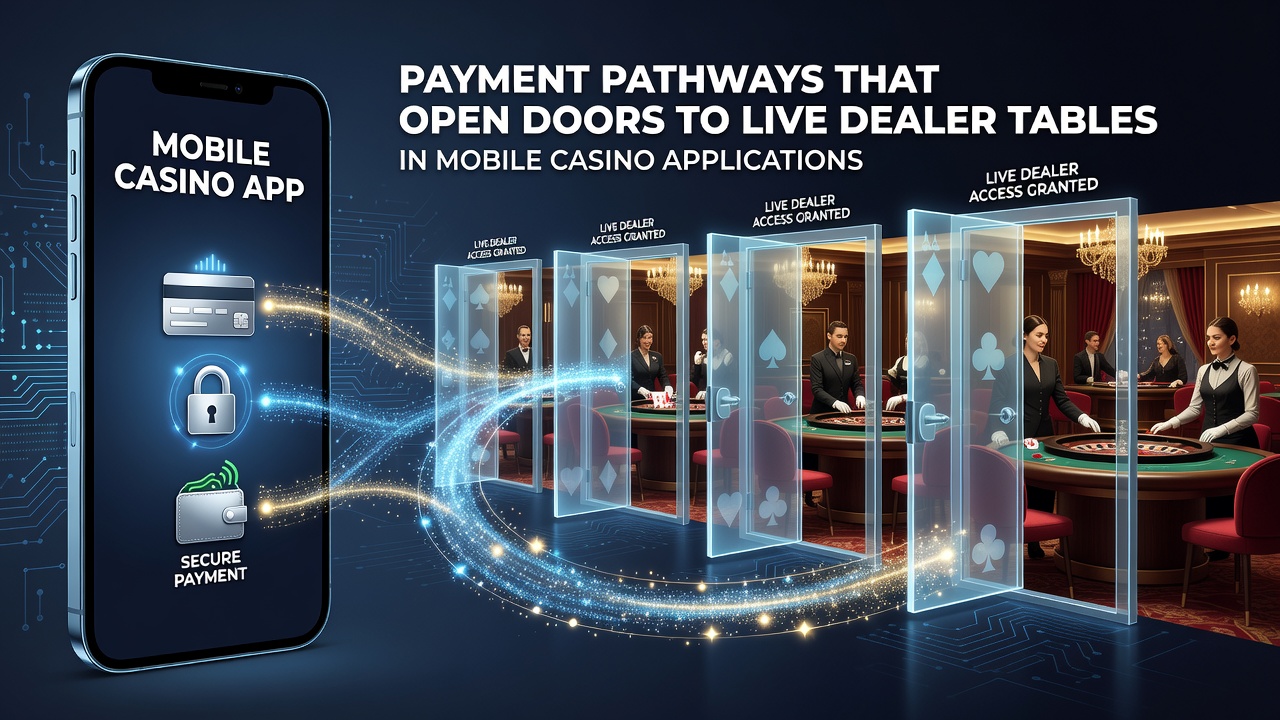
Live dealer platforms transmit video feeds through dedicated servers that require stable connections, and payment confirmation events trigger server-side flags that unlock table seats without requiring users to refresh or re-authenticate. When a deposit processes, the app pushes a notification that simultaneously updates the balance display and highlights available tables, creating a direct visual link between the completed transaction and the gaming environment. Developers embed these triggers within the same codebase that manages stream latency, ensuring that financial events and video delivery remain aligned during peak usage periods around August 2026 when mobile traffic typically increases.
Multi-factor authentication applied at the payment stage carries forward into the live dealer module, so returning users encounter fewer repeated logins once initial funding succeeds. This approach reduces cognitive load while preserving security standards that regulators examine during periodic audits.
Future Developments in Payment and Live Dealer Connectivity
Emerging standards for instant settlement, including those piloted by central banks, promise to shorten the interval between payment initiation and table access even further. Mobile applications already test prototypes that combine biometric confirmation with payment authorization so that a single fingerprint or facial scan can both complete a deposit and open a live dealer seat. Industry working groups continue to refine data exchange formats that allow payment processors and game providers to share eligibility signals without exposing full transaction histories.
Conclusion
Payment pathways function as the operational bridge that translates deposited funds into active participation at live dealer tables within mobile casino applications, and their design directly influences session stability, regulatory compliance, and user progression through verification steps. As platforms evolve alongside settlement technologies and regional rules, the synchronization between financial confirmation and live stream access remains the central mechanism that sustains these gaming experiences across devices and jurisdictions.