15 Jun 2026
Patterns in Slot Theme Adaptations Based on Global Entertainment Trends and Licensing Agreements
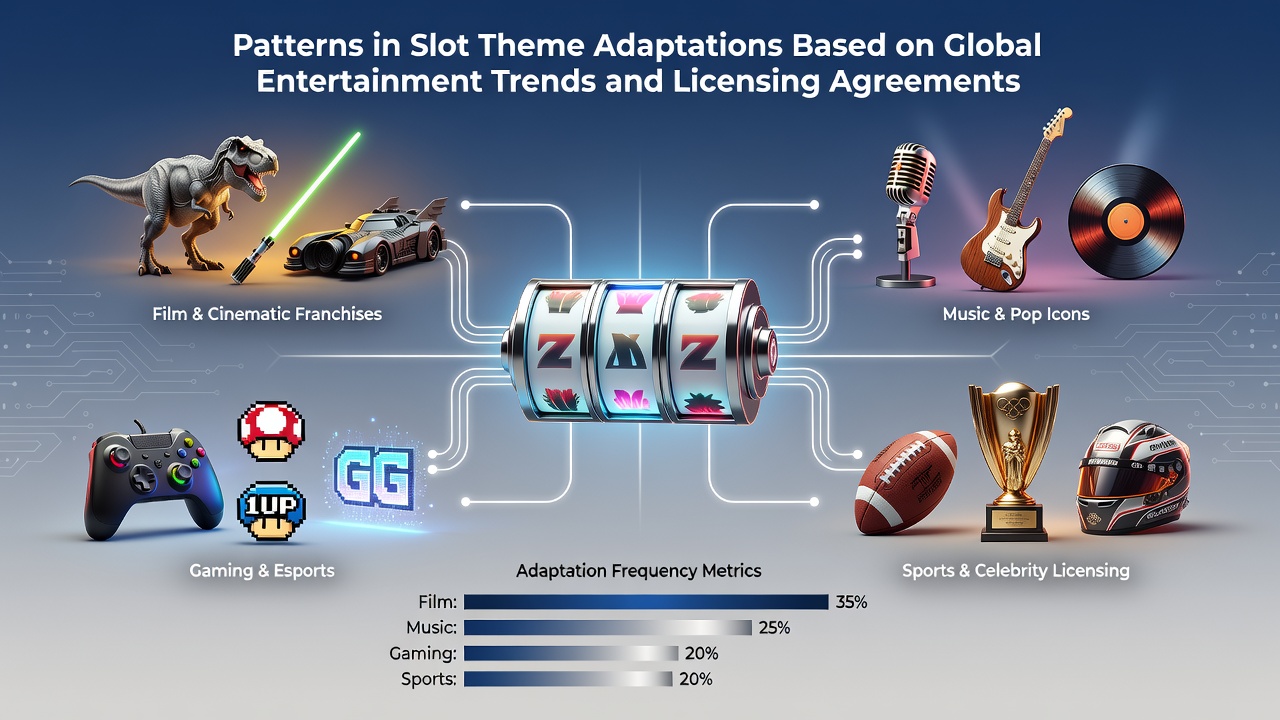
Slot theme adaptations follow clear patterns tied to shifts in global entertainment consumption and the structure of licensing deals between content owners and gaming manufacturers. Data from industry reports shows that studios and brands increasingly grant rights for digital slot versions of films, series, music catalogs, and sports properties as revenue streams expand beyond traditional media windows.
Global Entertainment Trends Shaping Slot Content
Streaming platforms release new seasons and franchises at regular intervals, and slot developers align release schedules with those cycles to capture audience attention during peak viewing periods. Research indicates that superhero properties from major studios continue to appear in new configurations years after initial film launches, while reality competition formats and music catalogs generate shorter but intense adaptation windows. Observers note that sports leagues influence theme selection through seasonal tournaments, with football and basketball events prompting quick-turnaround slot versions that incorporate player imagery and event branding under strict licensing terms.
Those who track content pipelines point out that Asian pop culture exports, including K-dramas and anime series, have expanded licensing activity in markets outside their home regions since the early 2020s. European gaming operators report similar uptake for local music acts and historical dramas when rights become available through collective management organizations. Figures from licensing databases reveal that multi-territory deals now commonly include clauses for both land-based and online slot deployments, allowing operators to refresh floor offerings in coordination with marketing campaigns run by the original content owners.
Licensing Structures and Their Influence on Theme Longevity
Licensing agreements typically specify duration, geographic scope, revenue share percentages, and approval processes for artwork and audio assets. Manufacturers such as Aristocrat and Light & Wonder secure these rights through direct negotiations with studios or via specialized agencies that aggregate smaller catalogs. Contracts often contain performance milestones that trigger extensions or additional title releases, which explains why certain film franchises generate multiple slot iterations over several years rather than single one-off products.
Regional regulatory requirements further shape how themes reach players. In jurisdictions where game approval timelines are lengthy, operators prioritize evergreen properties that can remain on the floor while new approvals are processed. Data compiled by gaming associations in North America and Asia shows that licensed themes achieve faster certification in some markets because existing brand recognition reduces the scrutiny applied to original intellectual property submissions.
Observed Patterns Across Major Markets
North American casino floors display higher concentrations of film and television adaptations during summer months when blockbuster releases dominate box office charts. European markets, by contrast, feature more frequent music and sports crossovers that coincide with festival seasons and league calendars. Australian operators have documented steady demand for local wildlife and adventure themes licensed from tourism boards alongside international entertainment properties.
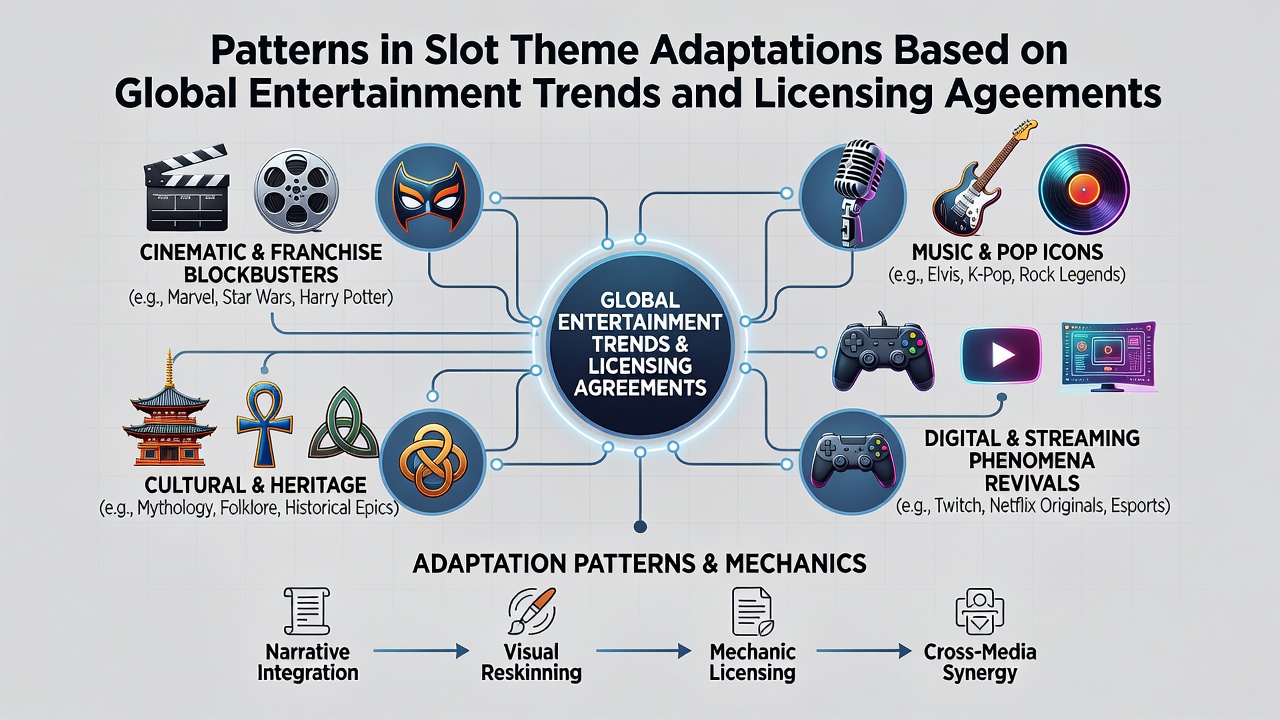
June 2026 saw several manufacturers launch titles timed with major entertainment events, including new entries based on ongoing streaming series and music catalog deals signed earlier in the decade. These releases followed established patterns where initial teaser campaigns on social platforms precede casino floor placement by several weeks. Industry analysts tracking royalty payments note that successful adaptations generate repeat licensing revenue when operators renew floor space contracts, creating feedback loops that favor properties with broad demographic appeal.
Emerging Adaptations and Cross-Industry Collaborations
Technology partnerships between slot providers and entertainment companies now extend beyond visual assets to include interactive bonus mechanics drawn from gameplay elements in video games or narrative choices in episodic content. Reports from research institutions indicate that such integrations require additional layers of approval from rights holders to protect brand consistency across platforms. Geographic diversification of licensing deals has accelerated as streaming services expand into new territories, bringing previously regional content into global slot portfolios.
Those monitoring deal announcements observe that shorter-term licenses for event-specific themes, such as tournament tie-ins, coexist with longer multi-year agreements for flagship franchises. This dual approach allows manufacturers to maintain a pipeline of fresh content while securing stable revenue from core titles. Regulatory filings in multiple jurisdictions document the gradual increase in co-branded marketing spend between casinos and entertainment partners, reflecting shared interest in driving foot traffic and player engagement.
Conclusion
Patterns in slot theme adaptations continue to track global entertainment release calendars and the evolving terms of licensing agreements. Manufacturers and operators adjust their content strategies according to data on player preferences, regulatory timelines, and royalty structures that vary by region and property type. As new entertainment formats emerge and existing franchises extend their reach through streaming and live events, slot adaptations follow with corresponding updates to visual, audio, and mechanical elements under the constraints of those agreements.