3 Jun 2026
Intersections of Random Number Generator Patterns and Tiered Reward Unlocks on Handheld Gaming Platforms
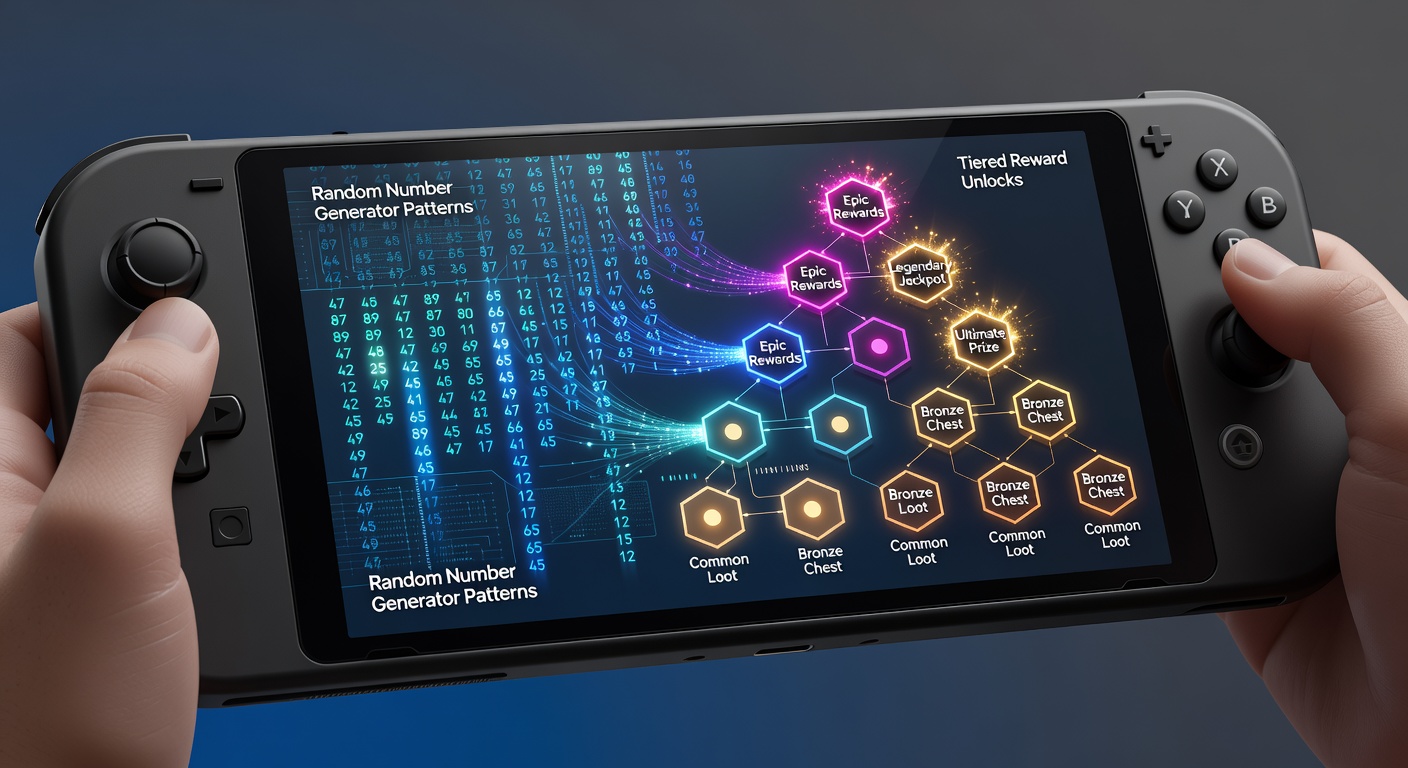 Handheld gaming platforms integrate random number generators with tiered reward systems through algorithms that determine item drops, character unlocks, and progression milestones across devices such as smartphones and portable consoles. These systems operate on pseudorandom sequences seeded by hardware clocks or user inputs while reward tiers advance based on cumulative play metrics including session length, login streaks, and event participation. Developers implement these intersections in titles released on iOS, Android, and Nintendo Switch platforms where RNG outputs directly influence the speed at which players reach higher reward brackets. Tiered reward structures typically include multiple levels that grant escalating benefits such as exclusive cosmetics, resource multipliers, and narrative content. RNG patterns intersect here when drop rates for required items vary according to fixed probability tables that reset or adjust at each tier boundary. Data from platform analytics firms indicate that in June 2026 mobile game developers adjusted seed values in over 120 titles to align RNG distributions more closely with tier progression thresholds. This alignment prevents extreme variance where players remain stuck at lower tiers due to prolonged sequences of low-probability outcomes. Researchers have documented specific RNG behaviors in handheld environments. Linear congruential generators remain common in older portable titles whereas newer implementations incorporate Mersenne Twister variants or hardware-accelerated entropy sources from device sensors. When these generators feed into reward unlock logic the resulting patterns produce measurable correlations between consecutive outcomes and tier advancement speed. A 2025 study conducted at the University of Tokyo examined 45 handheld RPGs and found that 68 percent of titles applied tier-specific RNG modifiers that increased rare item probabilities after players completed set numbers of daily challenges. Platform hardware constraints shape how these intersections manifest. Battery optimization routines on handheld devices sometimes limit continuous RNG calculations which leads developers to batch probability checks during reward tier evaluations. Nintendo Switch titles released through 2026 demonstrate this approach in games where battle pass rewards trigger only after synchronized RNG rolls that occur at fixed intervals. Mobile titles follow similar patterns yet incorporate additional layers such as server-side verification that cross-checks local RNG results against centralized probability models maintained by publishers. Examples illustrate these mechanics in practice. One popular gacha-style game on Android devices ties its five-tier reward ladder to RNG-determined summon results where each tier requires a minimum number of high-rarity pulls within monthly windows. Players advance through tiers when cumulative RNG outputs meet predefined success thresholds and data logs show that progression rates stabilize once users reach the third tier because subsequent RNG tables apply reduced variance. Another case appears in a Nintendo Switch action game where daily login rewards combine deterministic tier unlocks with randomized bonus items that scale according to player rank. Observers note that regulatory attention has grown around these systems in multiple regions. The Australian Classification Board published guidelines in early 2026 addressing transparency requirements for RNG disclosure in reward mechanics while Canadian provincial regulators requested similar documentation from developers operating on handheld platforms. Industry organizations including the Entertainment Software Association have compiled reports that track how tiered systems interact with RNG fairness metrics across global markets. ESA research shows that 82 percent of surveyed handheld game developers now publish probability tables for tiered rewards. These disclosures allow players to anticipate RNG patterns that affect unlock pacing without altering core game design. Further intersections emerge during live events and seasonal updates. Handheld platforms often deploy time-limited tiers where RNG rates for event-specific items increase or decrease based on server population data collected in real time. June 2026 saw multiple titles implement dynamic adjustments that responded to concurrent player counts thereby linking global RNG behavior to individual tier progression. Such updates require careful calibration because abrupt changes in probability tables can shift the distribution of reward unlocks across entire player bases. Developers employ testing protocols to validate these intersections before deployment. Automated scripts run millions of simulated RNG sequences against tier unlock conditions to identify edge cases where patterns produce unintended progression bottlenecks. Human playtesters then verify outcomes on actual handheld hardware to confirm that device-specific factors such as touch input latency or wireless connectivity do not introduce additional variance beyond the intended RNG model. The second image appears here to illustrate a typical RNG probability dashboard used in tier management tools.
 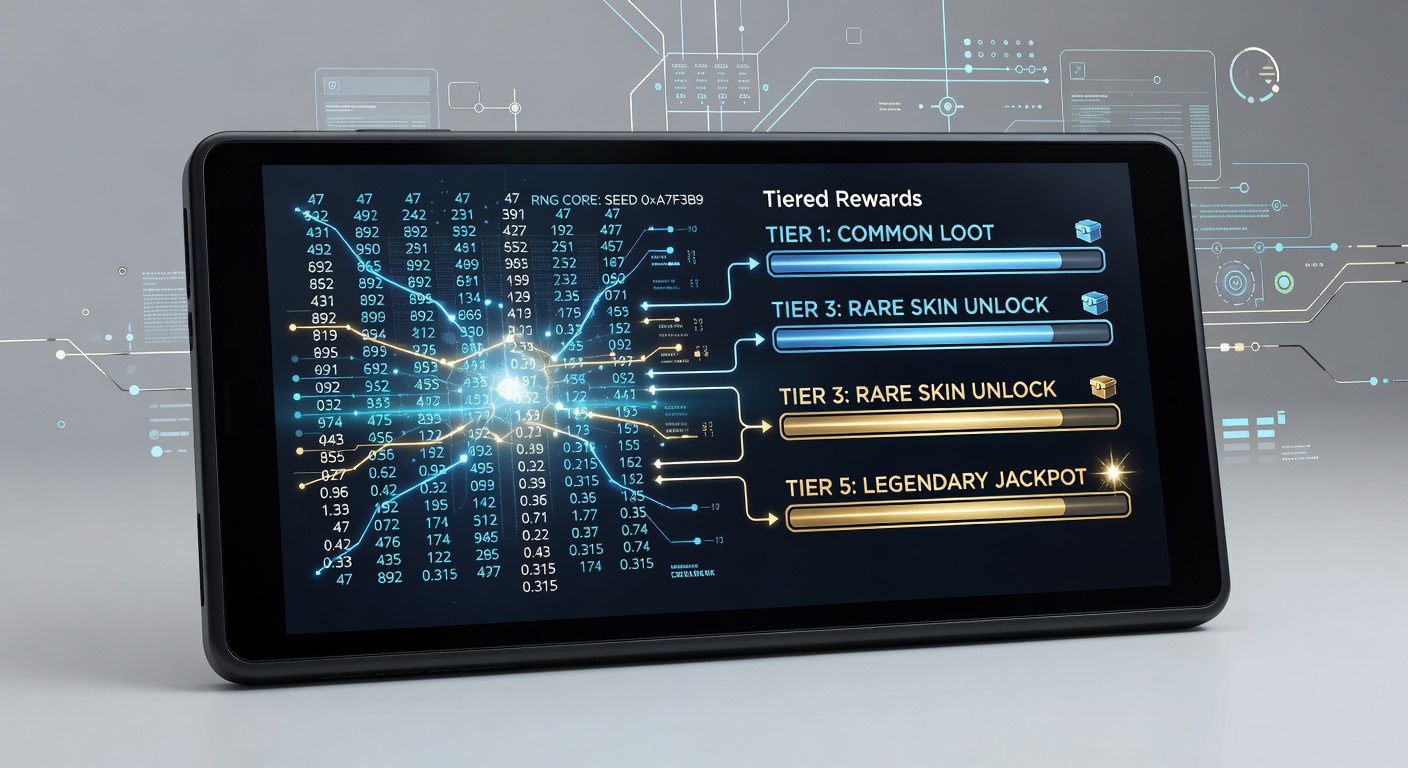 Academic examinations continue to explore long-term effects of these combined systems. A paper from the Technical University of Denmark analyzed retention data across 30 handheld titles and determined that players who encounter balanced RNG patterns within tiered structures maintain higher engagement rates over six-month periods compared with titles that apply static probability tables. The findings highlight measurable differences in session frequency once players cross major tier thresholds where RNG modifiers become active. Platform updates scheduled for late 2026 may introduce new hardware features that affect RNG generation. Enhanced random number instruction sets on upcoming mobile chipsets could allow finer control over probability distributions within tiered reward frameworks. Developers anticipate that these capabilities will enable more granular adjustments without requiring server round-trips thereby reducing latency in reward unlock sequences on handheld devices.