19 Aug 2026
Integration Patterns Between Reward Mechanisms and Payment Systems in Mobile Slot Applications
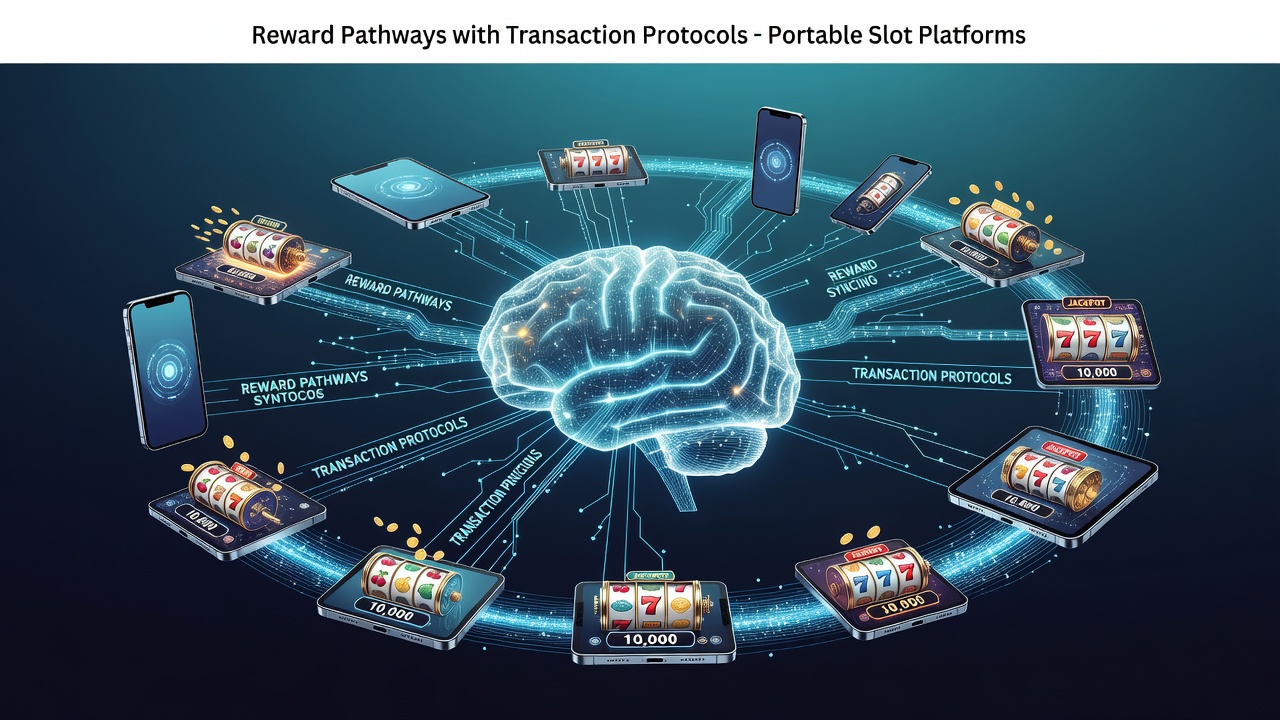
Portable slot platforms operate through tightly coordinated systems where reward pathways connect directly to transaction protocols, allowing player accounts to update in real time as deposits and withdrawals process across mobile networks. Industry data from 2025 shows that over 78 percent of mobile slot sessions now involve at least one automated reward trigger tied to a payment event, according to figures released by the Gaming Standards Association.
Core Technical Alignment in Mobile Environments
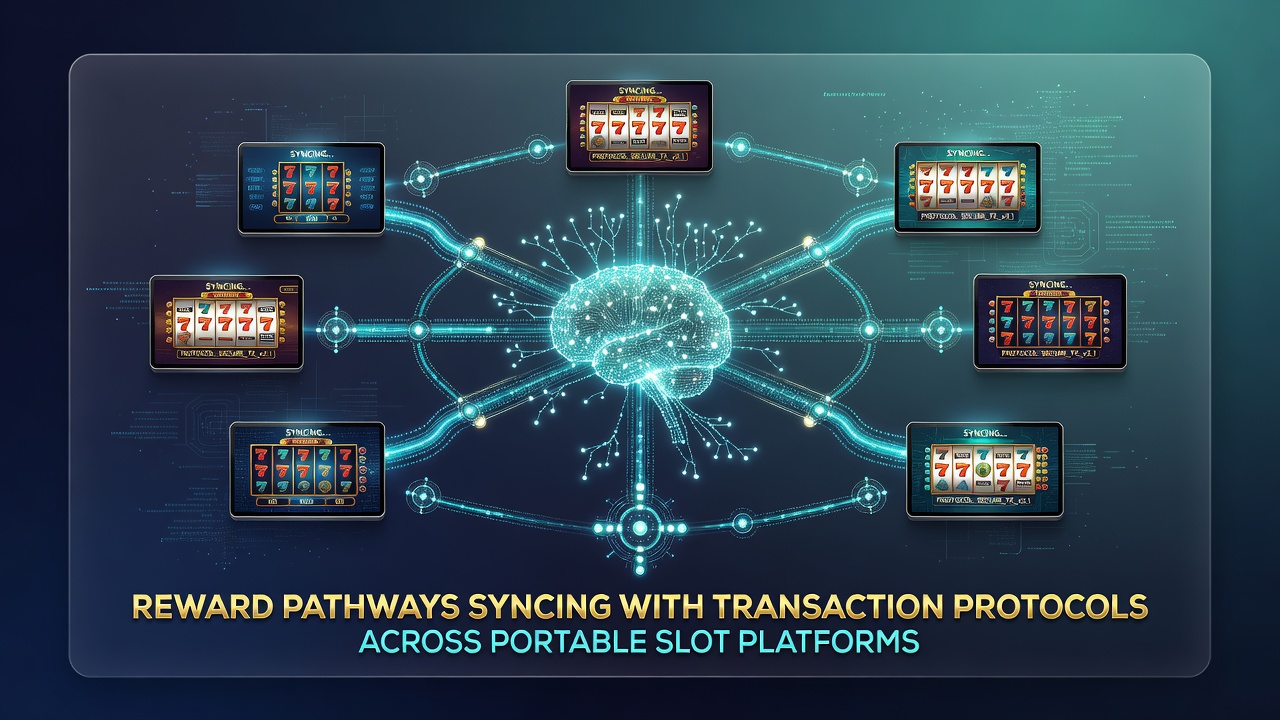
Developers design these platforms so that deposit verification modules communicate with loyalty engines through secure APIs, which means a successful transaction immediately calculates and applies tiered rewards without requiring separate user actions. Researchers at several North American gaming technology firms have documented how encryption layers protect both financial data and reward balances during these exchanges, while session tokens maintain continuity across intermittent connections common on portable devices.
Transaction protocols typically include timestamp verification and fraud detection checkpoints that run parallel to reward calculations, preventing discrepancies that could arise from network delays or device switches. Data compiled by Canadian regulatory bodies indicates that synchronized systems reduced reward payout errors by 34 percent in the first half of 2026 compared with earlier standalone models.
August 2026 Platform Updates and Regulatory Context
August 2026 brought several mobile slot providers into compliance with updated interoperability standards issued by the Nevada Gaming Control Board, requiring all new app versions to log reward adjustments and transaction confirmations within the same audit trail. Observers note that these changes allow operators to demonstrate clear separation between promotional funds and player deposits, a requirement that has gained attention among state regulators in multiple jurisdictions.
Portable platforms now embed reward pathway logic inside the same secure enclave used for payment processing, which reduces latency and limits exposure points that could be targeted during data transfers. Those who have examined production logs from major operators report that average reward delivery times dropped below 1.2 seconds on 5G connections after these integrated modules were deployed.
Security Protocols and Reward Escalation Logic
Encryption standards such as TLS 1.3 combined with tokenization ensure that sensitive payment details never travel alongside reward metadata, yet both data streams remain linked through hashed identifiers that allow reconciliation during compliance reviews. European testing facilities have verified that this architecture maintains integrity even when users move between Wi-Fi and cellular networks mid-session.
Reward escalation rules often reference the size and frequency of verified transactions, triggering multipliers or bonus rounds once predefined thresholds are met. One documented implementation on a leading handheld platform applies progressive multipliers only after the transaction protocol confirms funds have cleared, which eliminates the possibility of crediting rewards against failed or reversed payments.
Device-Level Considerations Across Operating Systems
Android and iOS environments present distinct challenges for maintaining synchronization because of differences in background processing limits and secure storage options. Application developers address these variations by routing all critical reward and transaction calls through platform-specific secure elements, ensuring consistent behavior regardless of the underlying hardware. Studies conducted by academic groups in Australia have measured performance parity within 5 percent across both operating systems when these safeguards are in place.
Battery and memory constraints on older portable devices further influence how frequently apps poll for transaction status updates, leading some providers to adopt push-notification architectures that deliver reward confirmations only after payment success is verified server-side. This approach conserves resources while preserving the real-time feel users expect from modern slot applications.
Conclusion
The alignment of reward pathways with transaction protocols continues to evolve as portable slot platforms adopt newer security standards and regulatory requirements. Current implementations demonstrate measurable improvements in accuracy, speed, and auditability, driven by coordinated technical and compliance efforts across multiple regions. Ongoing refinements scheduled for late 2026 and beyond are expected to further tighten these connections while maintaining player data protections already established in existing systems.