12 Jun 2026
How Multi-Tiered Reward Mechanisms Align with Secure Transaction Protocols in Handheld Casino Applications
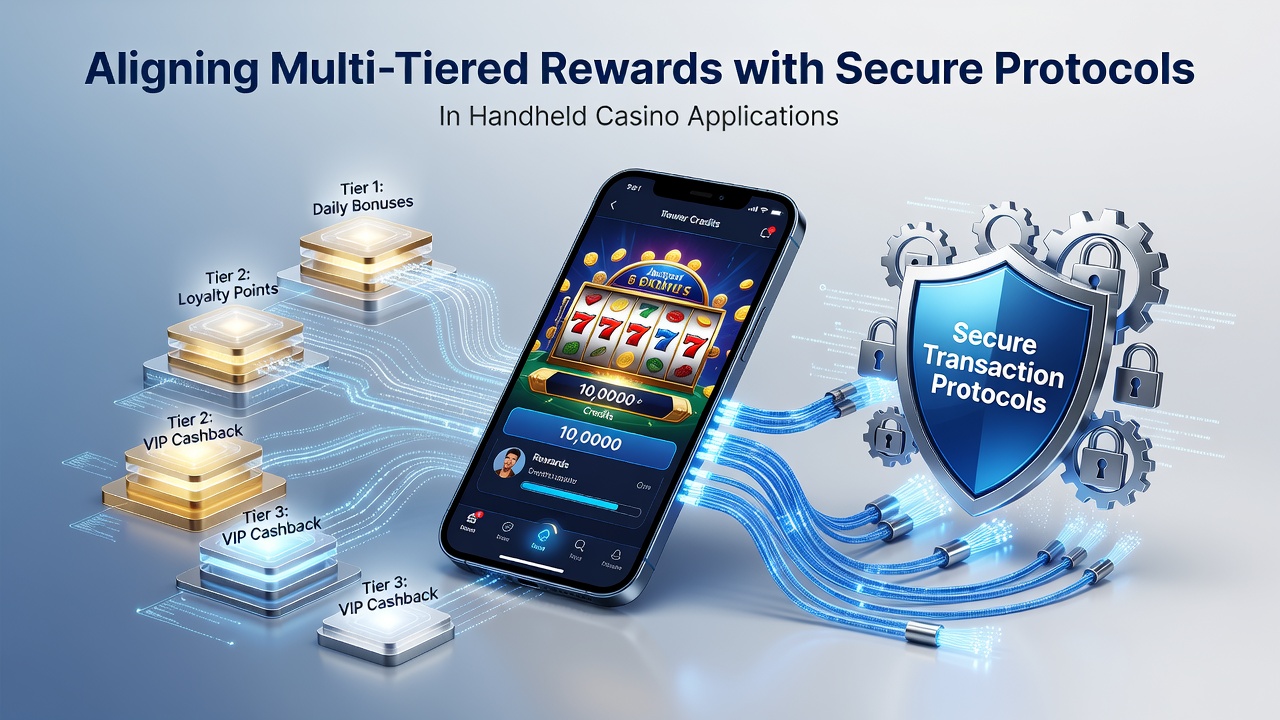
Handheld casino applications rely on multi-tiered reward mechanisms that escalate benefits as users advance through levels based on activity metrics such as wager volume and session frequency, while secure transaction protocols handle deposits, withdrawals and data exchanges through layered encryption and verification layers. These two systems intersect at multiple points where reward calculations trigger only after transaction integrity checks complete successfully, creating a framework that prevents unauthorized access to escalating perks while maintaining smooth user progression across tiers.
Structure of Multi-Tiered Rewards in Mobile Platforms
Developers design tiered systems with distinct stages that unlock progressively higher cashback percentages, exclusive game access and personalized bonus multipliers, yet each advancement requires confirmation that preceding financial movements occurred without anomalies. Research from industry analysts shows that reward engines pull data from transaction logs in real time, cross-referencing timestamps and amounts against predefined security thresholds before granting level upgrades. Observers note that this linkage reduces instances of reward manipulation because any flagged transaction halts the entire escalation process until manual or automated review clears the record.
Key Elements of Secure Transaction Protocols
Secure protocols in handheld casino apps incorporate end-to-end encryption standards, tokenization of payment details and continuous monitoring for irregular patterns such as rapid successive transfers or mismatched geolocation signals. According to findings published by the National Council on Problem Gambling, these measures align with broader regulatory expectations that emphasize verifiable audit trails for every monetary action tied to player accounts. Protocols often employ multi-factor authentication at critical junctures, ensuring that reward eligibility checks cannot bypass the verification sequence even when network conditions fluctuate during mobile sessions.
Integration Points Between Rewards and Security Layers
Alignment occurs primarily through application programming interfaces that feed verified transaction outcomes directly into the reward calculation module, allowing tier progression only when cryptographic signatures match expected values. Experts have observed that this setup supports dynamic adjustments where a completed high-value deposit instantly qualifies a user for the next reward bracket while simultaneously logging the event in an immutable security ledger. In practice, the process creates checkpoints where reward engines query the protocol database before finalizing any perk distribution, which prevents premature unlocks and maintains consistency across global user bases operating under varying jurisdictional rules.
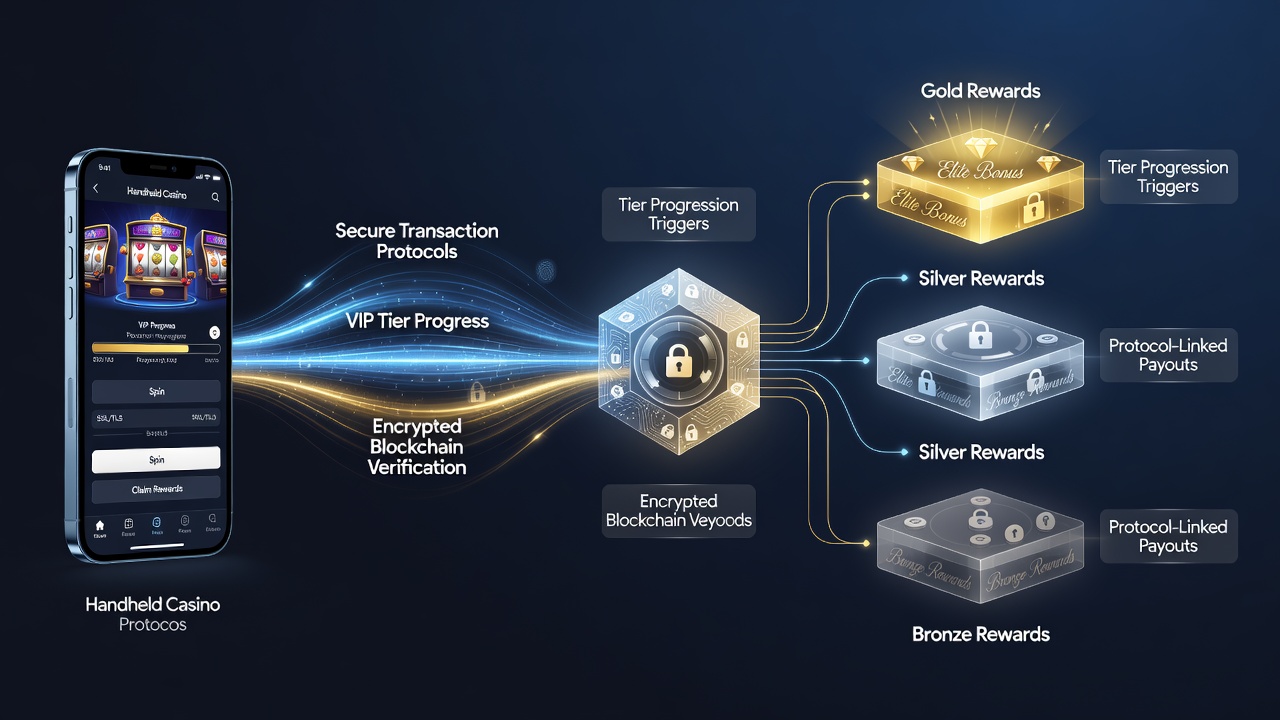
Developers implement event-driven triggers that activate reward evaluations immediately after a transaction protocol returns a success status, reducing latency while preserving the integrity of the tier system. Data indicates that such synchronization helps handheld platforms scale efficiently during peak periods, as seen in mid-2026 when several major operators reported increased mobile engagement without corresponding rises in disputed reward claims. The approach relies on standardized data formats that allow seamless communication between the security module and the loyalty engine, ensuring that each tier advancement reflects only authenticated activity.
Operational Examples Across Different Regions
Operators in North American markets often integrate these systems with regional banking compliance frameworks that require additional identity verification before higher reward tiers activate, whereas European platforms emphasize data protection directives that influence how transaction metadata feeds into reward algorithms. Those who've studied deployment patterns note that Australian regulatory environments encourage periodic audits of the combined reward-security pipeline, leading developers to embed logging functions that capture both financial flows and loyalty point accruals in unified reports. One study revealed that platforms employing this dual-layer approach experienced fewer account compromises during reward redemption windows compared with systems that treated the two functions separately.
Technical Considerations for Ongoing Alignment
Maintenance of this alignment demands regular updates to encryption keys and reward rule sets so that evolving security threats do not inadvertently block legitimate tier progressions. Figures reveal that testing environments simulate high-volume transaction scenarios to verify that reward calculations remain accurate even when protocols enforce stricter anomaly detection thresholds. And because mobile networks introduce variables like intermittent connectivity, the architecture includes retry mechanisms that preserve transaction security context across reconnection events without resetting reward eligibility status.
Conclusion
The coordination between multi-tiered reward mechanisms and secure transaction protocols in handheld casino applications produces a unified operational model where each element reinforces the other through shared verification steps and real-time data exchange. As handheld platforms continue expanding their feature sets, the established linkages provide a foundation that supports both user engagement and system resilience without introducing unnecessary complexity into daily operations.