29 May 2026
Fertitta Entertainment Pursues Caesars Acquisition in Major $17.6 Billion Deal

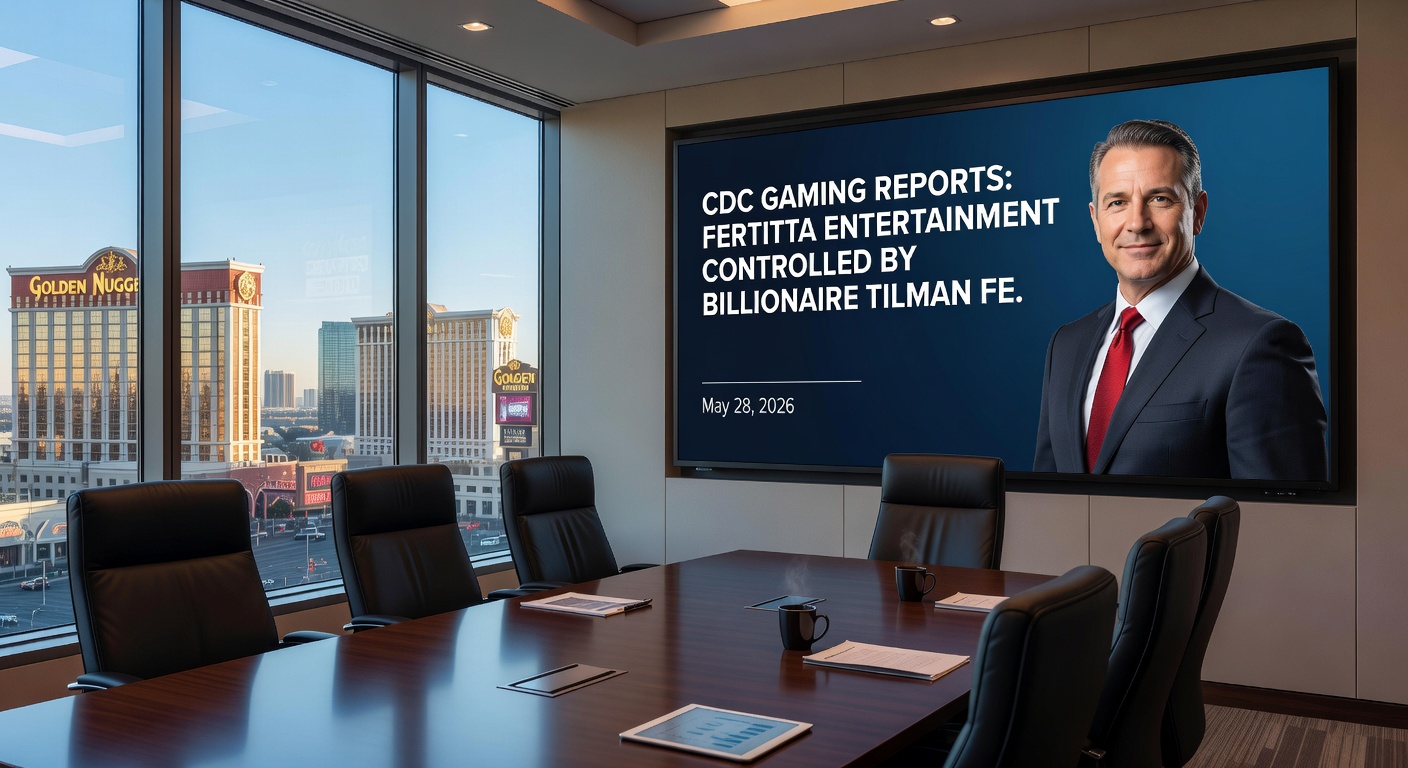
On May 28, 2026 CDC Gaming reported that Fertitta Entertainment controlled by billionaire Tilman Fertitta reached an agreement to acquire Caesars Entertainment in a $17.6 billion all-cash transaction that includes debt assumption, and the deal carries an expected close date roughly twelve months out once regulatory approvals clear. The structure features a go-shop period running through July 11 while financing draws from equity contributions, assumed debt obligations, and bank arrangements that together support the full purchase price. Observers note the transaction represents one of the larger moves in the gaming sector during this period, and analysts have begun mapping out how the combination might reshape competitive dynamics across multiple markets.
Key Elements of the Transaction
The agreement outlines an all-cash purchase that folds in existing debt from Caesars, which creates a straightforward path for Fertitta Entertainment to consolidate ownership of a major portfolio that spans casinos, hotels, and entertainment venues across the United States. Regulatory reviews will involve multiple state gaming commissions along with federal antitrust considerations, and the twelve-month timeline accounts for those sequential approval processes that often extend when large hospitality assets change hands. The go-shop provision allows Caesars to solicit additional bids until July 11, which introduces a window during which other potential acquirers could surface with competing offers before the Fertitta deal becomes exclusive.
Analyst Views on Market Implications
Wall Street analysts including Barry Jonas of Truist Securities have highlighted potential advantages for competitors such as MGM Resorts International and Boyd Gaming, and those benefits could stem from market share shifts or required asset divestitures that regulators sometimes impose in concentrated gaming regions. Data from prior large-scale gaming mergers shows that divestiture requirements occasionally open doors for rival operators to acquire select properties at negotiated prices, and analysts project similar scenarios here if antitrust reviews identify overlapping market positions. The transaction's financing mix relies on equity from Fertitta Entertainment plus bank facilities and assumed obligations, which analysts say reduces immediate cash strain while still delivering full value to Caesars shareholders.
Financing Structure and Timeline Details
Financing arrangements combine direct equity commitments from Fertitta Entertainment with debt that Caesars already carries on its balance sheet, and additional bank loans fill any remaining gap to reach the stated $17.6 billion figure. This layered approach mirrors patterns seen in earlier hospitality acquisitions where buyers leverage existing obligations to optimize capital deployment, and the structure aligns with expectations that the deal will close around May 2027 once approvals finalize. The twelve-month horizon gives both companies time to prepare integration plans while state regulators in Nevada, New Jersey, and other key jurisdictions conduct their reviews, and industry reports indicate such timelines have become standard for transactions of this scale.
Barry Jonas and his team at Truist Securities emphasized that MGM Resorts International and Boyd Gaming stand positioned to capture incremental revenue if the combined entity must shed certain assets, and historical data from similar deals supports the view that divestitures can redistribute market presence across operators. The go-shop period through July 11 creates a defined interval for any superior proposals to emerge, which adds a layer of optionality for Caesars while Fertitta Entertainment maintains its current offer. Observers familiar with gaming sector transactions note that bank financing commitments typically include covenants tied to regulatory milestones, which helps synchronize funding releases with approval progress.
Competitive Landscape Considerations
Potential market share gains for MGM Resorts International and Boyd Gaming arise because the Fertitta-Caesars combination could trigger regulatory scrutiny in overlapping regions, and analysts have flagged several properties that might face divestiture orders. Those who've tracked prior gaming consolidations point out that competitors often benefit when forced sales occur under compressed timelines, and the current deal structure leaves room for such outcomes once reviews conclude. The all-cash nature of the transaction provides certainty to Caesars shareholders while shifting operational control to Fertitta Entertainment, whose existing Golden Nugget portfolio already operates in several overlapping markets.
Regulatory Path Ahead
Approval processes will engage gaming control boards in multiple states along with federal review bodies that examine antitrust implications, and the twelve-month estimate incorporates typical durations for these sequential steps. Industry organizations such as the American Gaming Association have documented how large mergers require coordinated filings across jurisdictions, and the go-shop window allows time for any additional bidders to complete preliminary due diligence before exclusivity locks in. Financing documents reportedly include provisions that tie funding tranches to key regulatory milestones, which aligns payment schedules with approval progress and reduces execution risk for both parties.
Conclusion
The May 28, 2026 announcement marks a significant consolidation move within the gaming and hospitality sector, and the $17.6 billion structure plus go-shop period through July 11 sets a clear framework for the months ahead. Analysts continue to assess ripple effects for MGM Resorts International and Boyd Gaming while the transaction advances toward its expected close in roughly twelve months, and the financing blend of equity, assumed debt, and bank facilities supports execution once regulatory clearances arrive. The deal remains subject to standard conditions including approvals from state and federal authorities, and updates will emerge as the go-shop period concludes and reviews progress.