26 Aug 2026
Exploring Correlations Between Slot Volatility Ratings and Tiered Perk Distributions in Regional Gaming Operations
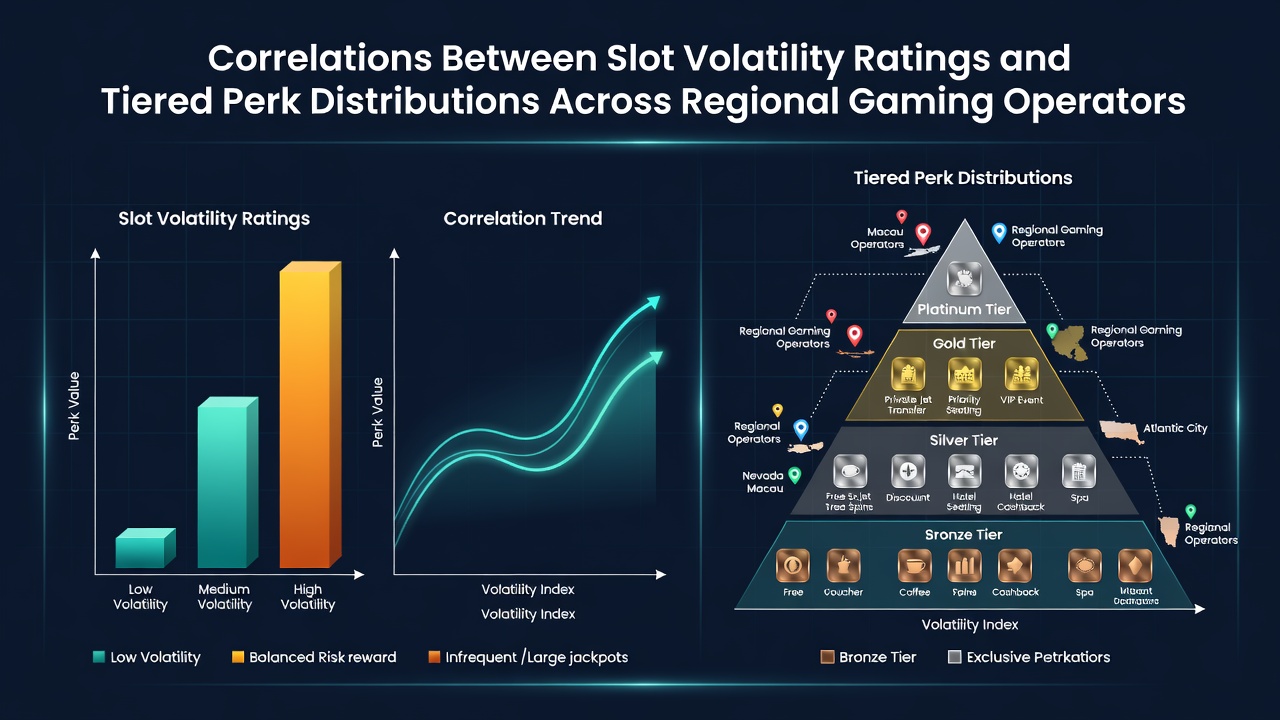
Regional gaming operators track slot volatility ratings alongside loyalty program structures because these elements often intersect in measurable ways, and data from multiple jurisdictions shows patterns emerging over time. Volatility ratings categorize machines by payout frequency and size, with low-volatility options delivering smaller wins more often while high-volatility slots produce larger but less frequent payouts. Tiered perks, meanwhile, scale rewards such as free play, hotel stays, and event access based on player spend and activity levels tracked through operator systems.
Understanding Volatility Classifications Across Markets
Gaming regulators in various regions require operators to maintain internal volatility data, and reports compiled by state agencies indicate that machines rated medium to high volatility tend to drive higher overall handle in markets like Nevada and New Jersey. Observers note that players who engage with these machines accumulate points faster in some loyalty frameworks, which then unlock elevated perk tiers more quickly. In contrast, low-volatility slots show steadier but lower per-session point accrual according to aggregated figures from several North American properties.
Research from academic sources on player behavior reveals that volatility preferences shift by demographic, with younger players gravitating toward higher volatility options in certain regional settings. This shift influences how operators design tier thresholds, since point velocity directly affects progression rates through silver, gold, and platinum levels. Data collected through August 2026 demonstrates continued alignment between these two variables in properties operated by major regional groups.
Regional Variations in Perk Distribution Models
Operators in the American Midwest structure their tiered rewards differently than those along the East Coast, and comparisons of published program details show that high-volatility slot focus correlates with accelerated free-play allocations at higher tiers. Canadian provincial gaming corporations apply similar logic, where volatility metrics help calibrate bonus structures to maintain player engagement without inflating operational costs. European operators, particularly in regulated markets outside the UK, have adopted comparable data-driven approaches that tie machine ratings to loyalty escalations.
Data Patterns from Industry Reports
Figures released by the Nevada Gaming Control Board highlight that properties emphasizing high-volatility slots report elevated average tier advancement times for active players. Meanwhile, studies conducted by university research teams in Australia connect volatility distributions to regional loyalty retention rates, noting that balanced machine mixes support steadier perk uptake across all tiers. One analysis of multi-state operator data found that adjustments to volatility offerings preceded measurable changes in platinum-tier distributions within six-month windows.
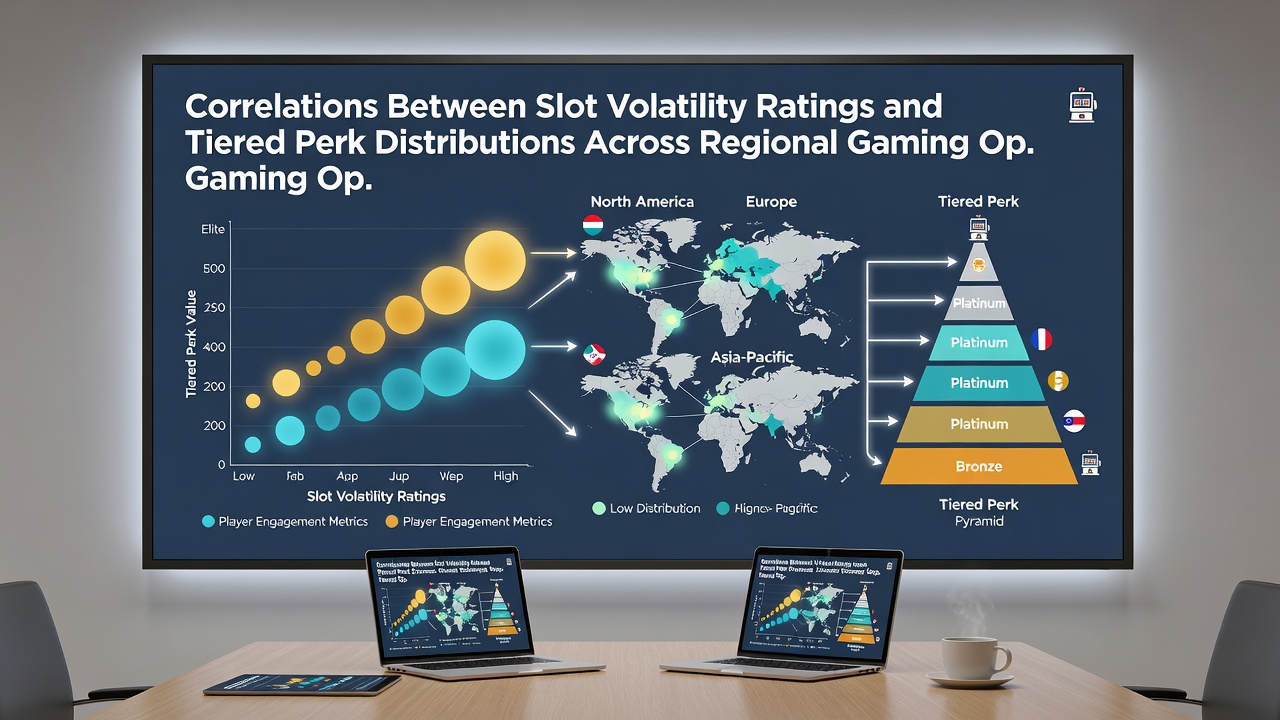
What's interesting is how operators in emerging markets like parts of Asia adjust these correlations based on local regulatory frameworks. Data indicates that tiered perk models there often weight high-volatility play more heavily when determining access to premium experiences. Researchers who examined cross-regional datasets discovered that operators using centralized analytics platforms achieve tighter integration between volatility tracking and reward scaling, resulting in more predictable distribution curves.
Operational Implications for Gaming Operators
Regional operators adjust machine floors and loyalty parameters in response to observed correlations, and industry association reports suggest that such adjustments help stabilize revenue streams while meeting player expectations. Those who've studied these systems note that point multipliers applied at higher tiers frequently align with volatility categories to encourage continued play. In practice, this means a player on a high-volatility machine may reach the next perk level after fewer sessions than one focused on low-volatility options, depending on the operator's weighting formula.
Evidence from multiple properties shows that transparent communication of these correlations through player apps leads to higher engagement metrics. Gaming associations in different continents have published guidelines encouraging operators to disclose how volatility influences reward structures, which supports consistent player experiences across jurisdictions. As of August 2026, several regional operators continue refining these models based on ongoing data collection.
Conclusion
Correlations between slot volatility ratings and tiered perk distributions appear across multiple regional gaming operators, supported by regulatory filings, academic examinations, and industry data. These connections influence how players progress through loyalty levels and how operators calibrate rewards. Continued monitoring by regulators and research groups will likely reveal further refinements as markets evolve.