20 May 2026
Examining How Digital Wallets Facilitate Seamless Access to Tiered Loyalty Perks Across Gaming Apps
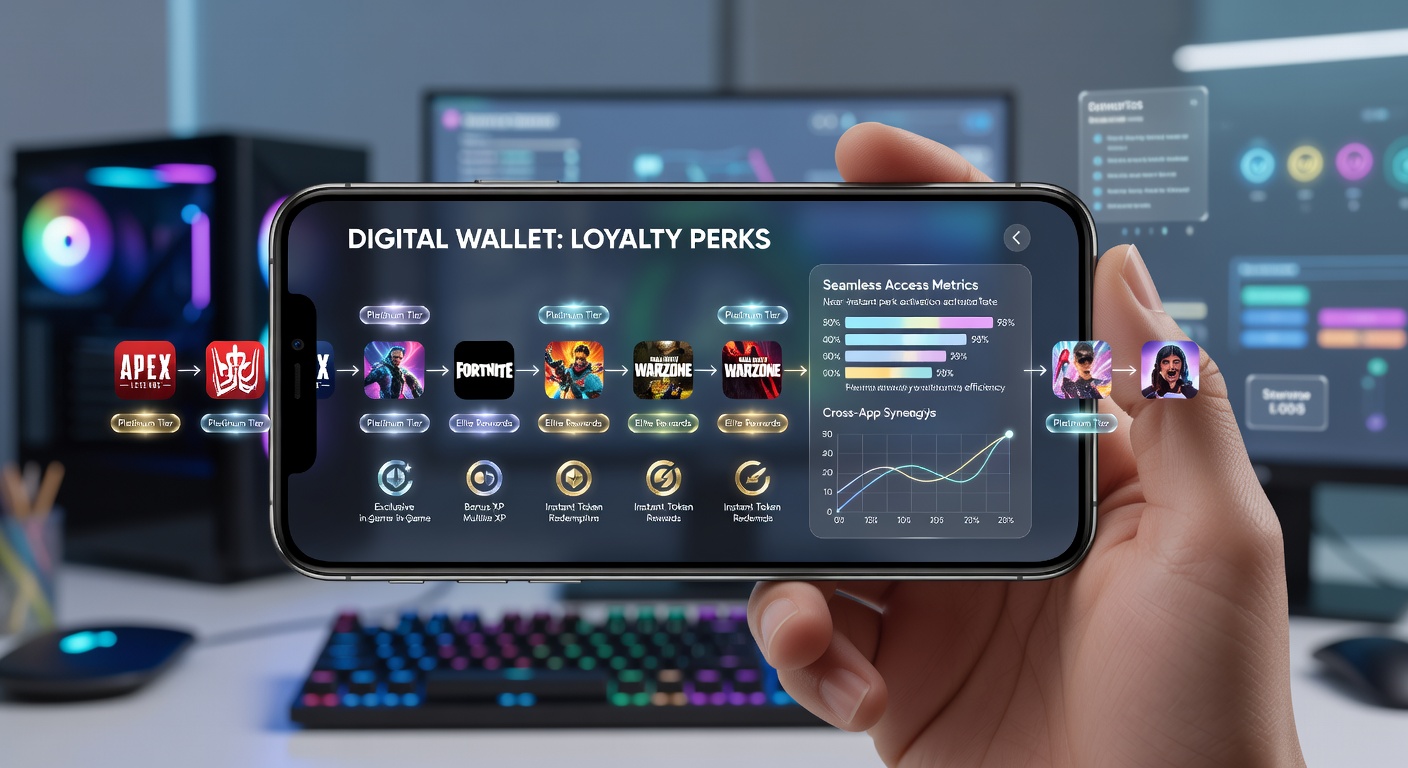
Digital wallets have become central to how users interact with tiered loyalty systems in gaming applications, and they handle everything from instant transactions to reward redemptions without traditional payment friction. In May 2026 researchers tracking mobile engagement patterns noted a steady rise in wallet-linked accounts across major platforms, where players move between free-to-play titles and premium experiences while accumulating points that unlock escalating benefits. These systems rely on secure tokenization and API connections that let wallets communicate directly with game servers, so a user topping up in one title can apply the same balance toward perks in another.
Integration Mechanisms That Drive Fluid Access
Developers embed wallet protocols at the account creation stage, which means players link once and then authorize micro-transactions or point conversions with a single biometric prompt or PIN. Data from industry monitoring groups shows that such integrations reduce checkout abandonment rates by connecting directly to stored payment credentials rather than requiring repeated card entry. Observers note that this approach also supports cross-app portability, allowing loyalty balances earned in a racing simulator to convert into cosmetic upgrades in a strategy title when the same wallet serves as the bridge.
Authentication occurs through standardized protocols that gaming engines recognize, and the process keeps user identifiers consistent across different developers. Because wallets store encrypted keys locally or in cloud vaults managed by the provider, the transfer of loyalty data happens without exposing full financial details to every game server. Studies conducted by university research teams in Canada have tracked these flows and found that session lengths increase when players can instantly apply tier benefits mid-game instead of pausing for external verification.
Tier Structures and How Wallets Unlock Progressive Rewards
Most gaming loyalty programs organize perks into ascending levels that activate once cumulative spend or playtime thresholds are met, and digital wallets accelerate the tracking by logging each qualifying action in real time. A bronze tier might grant basic avatar customizations while silver and gold levels open exclusive events or boosted resource drops, all visible inside the wallet dashboard as soon as the criteria register. According to figures released by the Australian Interactive Games Association, wallet-connected accounts reach higher tiers faster because the seamless deposit flow eliminates delays that once caused players to disengage.
Redemption works through in-app stores that query the wallet balance before granting the perk, so a player who hits platinum status receives an immediate notification and can spend accumulated points on limited-edition items without leaving the game environment. This direct linkage also lets developers run time-limited campaigns where wallet users receive bonus multipliers that apply automatically on the next qualifying purchase. Those who have examined transaction logs across multiple titles report that such features correlate with higher retention numbers during promotional windows.
Security Protocols and Regional Compliance Patterns
Wallet providers maintain compliance with data protection standards that vary by jurisdiction, which influences how loyalty information travels between apps and payment rails. European frameworks emphasize explicit consent for cross-app data sharing, whereas North American markets focus more on transaction transparency and fraud detection layers. Research papers published by academic centers in Singapore have documented that multi-factor authentication inside wallets lowers unauthorized access attempts, protecting both player balances and the integrity of tiered reward histories.
Encryption standards applied at the wallet level ensure that loyalty point ledgers remain tamper-resistant even when games update their backend systems. Developers therefore trust wallet-issued tokens to represent verified progress, allowing them to focus engineering resources on new content rather than rebuilding payment verification each time. Industry reports indicate that this division of labor has become standard practice among studios releasing updates throughout 2026.
Case Examples from Leading Mobile Ecosystems
One popular battle royale title integrated wallet support for its seasonal pass system, and players who connected their accounts early in the cycle moved through tiers more rapidly because deposits and reward claims occurred inside the same interface. Another role-playing game introduced a points marketplace where users exchange wallet credits for exclusive mounts or story expansions, and engagement metrics showed sustained activity among those who reached mid-level tiers within the first month. Observers tracking these patterns across regions note that similar mechanics appear in simulation and puzzle genres, suggesting broad applicability rather than genre-specific design.
Partnerships between wallet companies and game publishers have produced co-branded loyalty cards that function inside multiple titles simultaneously, so progress in one environment contributes to a shared global tier visible wherever the wallet is accepted. This model reduces fragmentation for users who maintain libraries of ten or more games, and it creates unified dashboards that display all active perks at a glance.
Conclusion
Digital wallets continue to reshape how tiered loyalty programs operate inside gaming applications by streamlining verification, enabling instant redemptions, and supporting cross-title portability of rewards. As adoption grows through 2026, the underlying technical connections between wallets and game servers will likely expand to include more granular analytics that help developers refine perk structures while maintaining compliance across different regulatory landscapes. The result is a more connected experience where players access benefits without leaving the immersive environment they entered to play.