15 Jul 2026
Customizing Reward Distributions Through Behavioral Data Analysis in Portable Casino Applications

Portable casino applications rely on behavioral data analysis to shape reward distributions, with operators examining metrics such as session duration, game selection sequences, wager patterns, and response times to deposit prompts in order to adjust bonus allocations, free spin credits, and loyalty point multipliers for individual users.
Data Collection in Mobile Gaming Environments
Applications gather information through in-app tracking tools that log every tap, swipe, and navigation choice while users engage with slot machines, table games, and progressive jackpot features, and these datasets feed into centralized analytics platforms where algorithms identify clusters of similar activity across thousands of accounts simultaneously. Researchers have documented how timestamps on login events combined with device identifiers allow segmentation of players into groups that favor high-volatility titles versus those who stick with steady, low-stakes options, creating the foundation for differentiated reward schedules that match observed preferences without manual intervention.
Analytical Techniques Driving Customization
Machine learning models process these streams to predict future behavior, applying clustering methods and regression analysis to forecast when a player might reduce activity or increase deposit amounts, adn the resulting scores determine the timing and size of personalized offers sent through push notifications or in-game pop-ups. Data from industry reports indicates that such predictive scoring has been integrated into numerous platforms since the mid-2020s, enabling operators to shift from uniform bonus structures toward dynamic systems where rewards escalate only after specific behavioral thresholds are met, such as completing a set number of consecutive spins or maintaining a minimum average bet size over multiple days.
Implementation Across Reward Tiers
Once analysis identifies key triggers, the distribution logic adjusts automatically: a user who consistently plays during evening hours might receive time-specific reload bonuses, while another who explores new game releases could unlock themed reward packs tied to those titles. Observers note that this alignment between detected habits and delivered incentives occurs through API connections between the analytics engine and the application's reward server, ensuring that changes propagate within seconds of each completed session. Studies from academic sources have shown measurable shifts in retention metrics when these customized pathways replace static campaigns, with figures revealing higher repeat login rates among segments receiving behavior-matched incentives compared to control groups exposed to generic promotions.
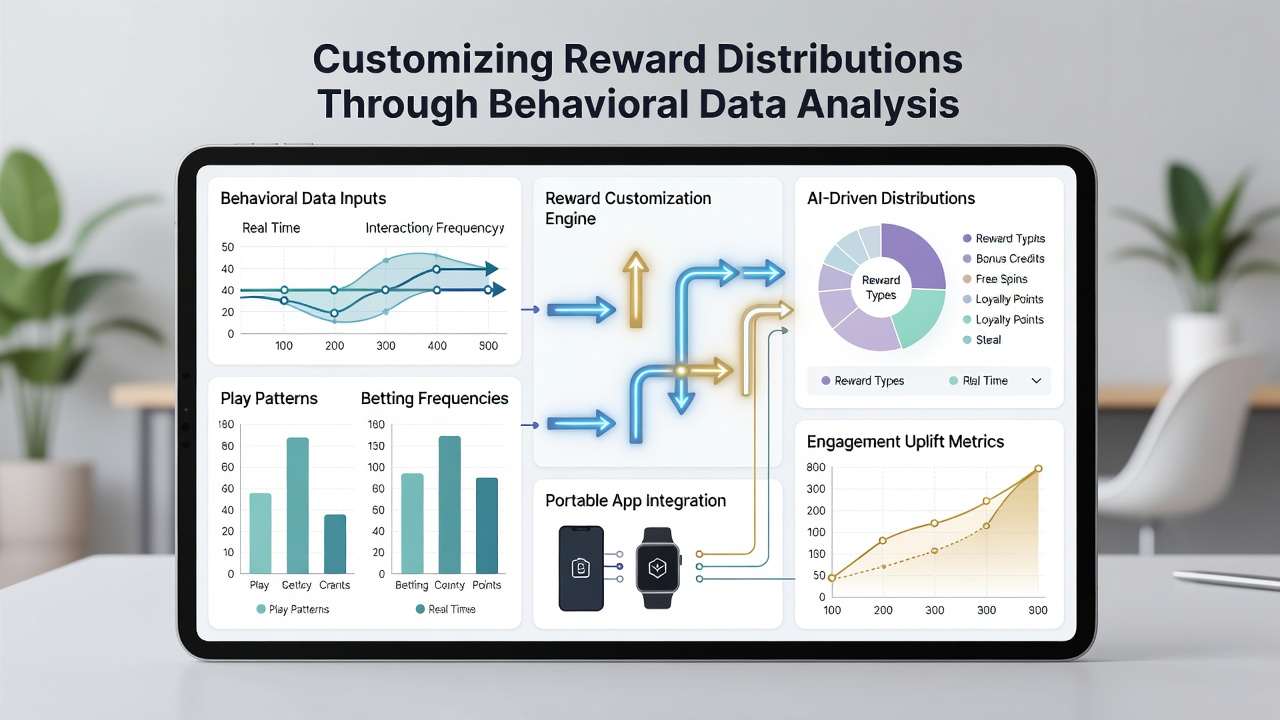
One operator serving multiple jurisdictions implemented a tiered escalation model where players advancing through behavioral milestones automatically qualify for increased cashback percentages, and this process runs continuously without requiring separate approval workflows for each account. The system cross-references real-time play data against historical benchmarks to prevent over-distribution, maintaining balance between player incentives and operational margins across daily cycles.
Regulatory and Privacy Considerations
Compliance frameworks in various regions require that behavioral profiling remain transparent to users, with operators providing opt-out mechanisms and clear disclosures about data usage in reward calculations. According to guidelines published by the National Council on Problem Gambling, platforms must separate reward personalization data from responsible gaming flags to avoid unintended reinforcement of problematic patterns. Canadian regulatory bodies have similarly emphasized audit trails that document how each reward decision traces back to specific behavioral inputs, ensuring accountability during periodic reviews.
European data protection standards further influence how portable applications store and process these datasets, mandating encryption and limited retention periods that affect the depth of historical analysis available for long-term customization models. Industry associations report that operators investing in compliant infrastructure have sustained their ability to refine reward distributions while meeting cross-border requirements that differ by licensing authority.
Conclusion
Behavioral data analysis continues to reshape reward distribution in portable casino applications by linking observed player actions directly to automated incentive adjustments, supported by evolving technical capabilities and regulatory oversight that varies across markets. As platforms refine these connections, the focus remains on maintaining accurate data flows and transparent processes that align with jurisdictional standards.