19 Jun 2026
Adaptive Loyalty Frameworks Responding to Fluctuating Currency Conversion Rates in Cross-Border Gaming Transactions
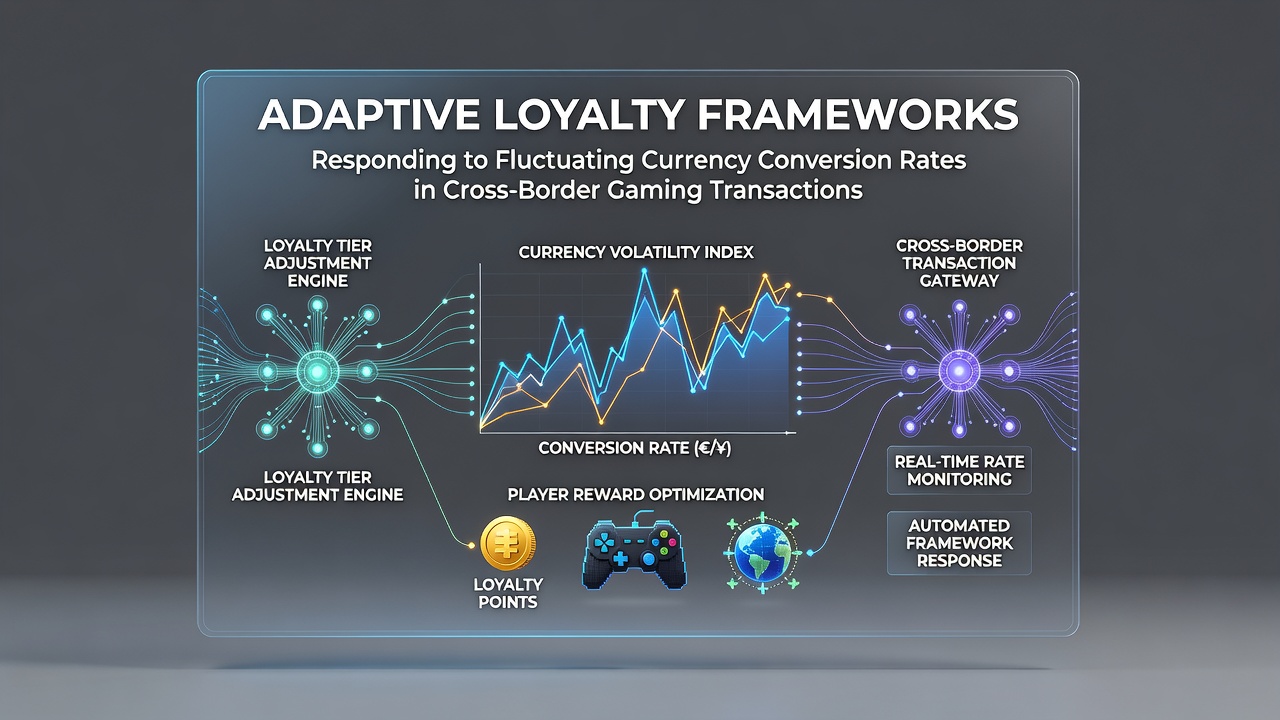
Cross-border gaming transactions have grown more intricate as players move between different national currencies and operators adjust to live exchange data, which means loyalty frameworks must incorporate dynamic conversion tools to maintain consistent reward values. Operators track major pairs such as USD to EUR or JPY to AUD through integrated financial feeds that update every few seconds, allowing point accrual and redemption rates to shift automatically without manual intervention.
Core Mechanisms Behind Adaptive Systems
These frameworks rely on layered algorithms that combine real-time forex data, player location signals, and historical volatility patterns to recalibrate loyalty tiers, so a player depositing in one currency receives equivalent bonus progress regardless of daily market swings. When rates move sharply, the system applies micro-adjustments to point multipliers while preserving the overall economic value of rewards, and this process occurs behind the scenes through secure APIs that connect gaming platforms directly to banking partners.
Data from multiple jurisdictions shows operators in regions with high inbound tourism, such as parts of Southeast Asia and the Mediterranean, have implemented these tools at scale since late 2025. In June 2026 several platforms reported smoother tier progression for international users after deploying updated conversion modules that buffer extreme fluctuations over short windows, preventing sudden drops in perceived reward value during brief market spikes.
Regional Implementation Patterns
European operators often link their systems to the European Central Bank's published rates while incorporating buffers recommended by industry groups, whereas platforms serving Australian and New Zealand players integrate feeds from the Reserve Bank of Australia to handle AUD volatility against Asian currencies. North American systems, particularly those handling cross-border traffic with Latin American markets, frequently combine CME Group futures data with on-platform hedging to stabilize loyalty accruals.
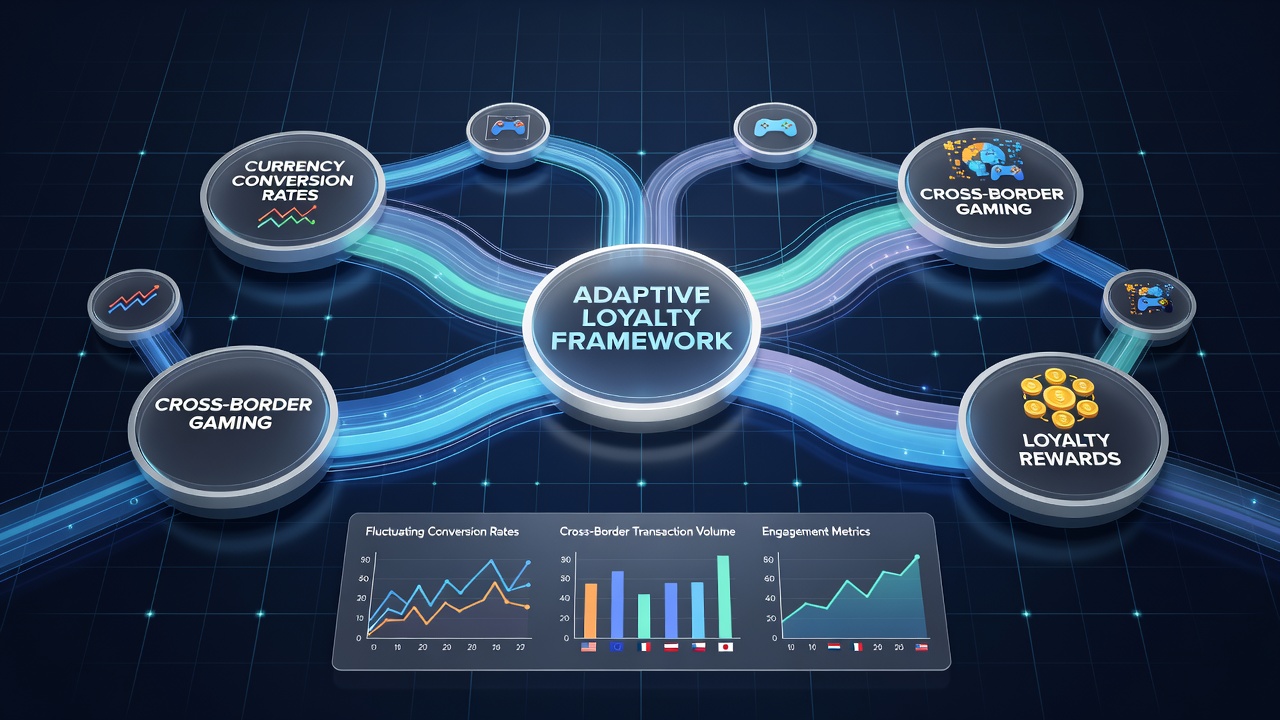
One documented case involves a Caribbean-facing operator that adjusted its loyalty engine to account for rapid shifts between USD and several local currencies, resulting in unchanged redemption rates for hotel and merchandise rewards even as exchange markets moved several percentage points within a single week. Similar approaches appear in East Asian markets where operators manage JPY, KRW, and SGD flows simultaneously, using weighted averages that smooth daily volatility into weekly loyalty calculations.
Integration With Broader Transaction Security
Adaptive loyalty tools sit alongside existing payment verification layers, so every currency conversion also passes through compliance checks tied to anti-money-laundering protocols and responsible gaming limits. This dual function means that when a player initiates a deposit in a secondary currency, the system calculates both the immediate transaction value and the projected loyalty impact before confirming the action, reducing the chance of later disputes over reward discrepancies.
Research conducted by the University of Nevada's International Gaming Institute indicates that platforms using these synchronized frameworks recorded fewer support tickets related to currency-based reward complaints during periods of elevated forex movement in early 2026. Observers note that the same infrastructure also supports tiered reward escalations, allowing operators to offer localized promotions without creating arbitrage opportunities across borders.
Technical and Regulatory Considerations
Developers building these systems must balance computational load wth accuracy, since continuous rate polling across thousands of active accounts requires efficient caching and fallback mechanisms. Regulatory bodies in Canada and Australia have issued guidance encouraging transparent disclosure of conversion methodologies within player terms, ensuring users understand how loyalty values are protected against rate changes.
Industry associations such as the European Gaming adn Betting Association have published position papers outlining best practices for maintaining fairness when currency movements affect reward economies, and several operators now reference those guidelines when updating their loyalty documentation. What's interesting is that these updates often coincide with broader platform refreshes, allowing operators to roll out improved dashboards that display both current and adjusted point values side by side.
Future Developments and Industry Trends
Looking ahead, continued refinement of predictive models that anticipate volatility windows could further reduce the frequency of mid-session adjustments, while deeper integration with digital wallet providers may allow loyalty balances to be expressed in multiple currencies simultaneously. Those who've studied transaction flows across handheld platforms note that seamless conversion handling has become a baseline expectation rather than a differentiator in many markets.
Conclusion
Adaptive loyalty frameworks represent a practical response to the realities of global payment networks in gaming, where currency conversion rates remain subject to ongoing market pressures. By embedding live adjustment capabilities directly into reward engines, operators deliver consistent value across borders while meeting the technical and compliance requirements that govern modern cross-border play. As exchange data feeds grow more precise and integration standards mature, these systems are expected to expand into additional markets without disrupting existing player experiences.